
November 26, 2026
A building maintenance plan needs to cover more than visible repairs. In Auckland, body corporate maintenance services can include scheduled maintenance, exterior upkeep, building repairs and trade work for shared property areas. Repair responsibilities for leaky buildings can depend on the circumstances, so they may need to be considered alongside other maintenance needs.
Body corporate maintenance services in Auckland depend on the building’s condition, shared facilities and maintenance priorities. A provider’s location can also affect travel planning and how site visits are scheduled. This guide explains what maintenance may cover, how repair responsibilities fit in and what to consider when arranging work for your property. You’ll have a clearer basis for planning maintenance around the building’s needs.
Key Takeaways
- Separate shared building repairs from routine upkeep so maintenance responsibilities are clear.
- Map facilities and common areas that need regular attention to build a practical maintenance plan.
- Factor a provider’s location into service scheduling and travel planning across Auckland.
- Understand how the building’s condition, work required and service scope shape maintenance costs.
Table of Contents
Building management and maintenance
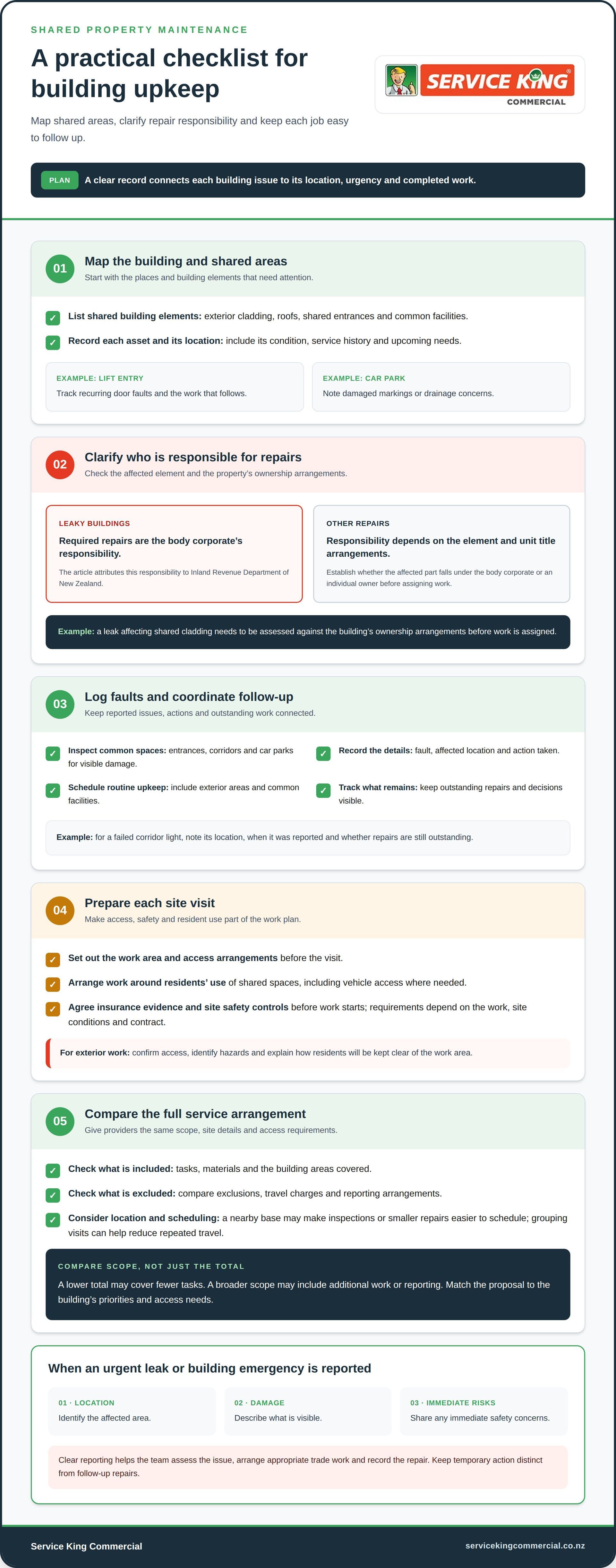
Body corporate maintenance starts by identifying the building elements and shared areas that need attention. These may include exterior cladding, roofs, shared entrances and common facilities. Inland Revenue Department of New Zealand states that required repairs to leaky buildings are the body corporate’s responsibility. A maintenance plan can record each issue, its location, urgency and completed work.
What are body corporates legally required to maintain in New Zealand? Inland Revenue Department of New Zealand states that body corporates are responsible for required repairs to leaky buildings. For other work, responsibility depends on the property element and unit title arrangements. This distinction helps separate shared-building work from repairs linked to an individual unit.
Who is responsible for repairs in a unit title property: the body corporate or the owner? The body corporate is responsible for required repairs to leaky buildings. For other repairs, responsibility depends on whether the affected element falls under the body corporate or an individual owner. A leak affecting shared cladding, for example, needs to be assessed against the building’s ownership arrangements before work is assigned.
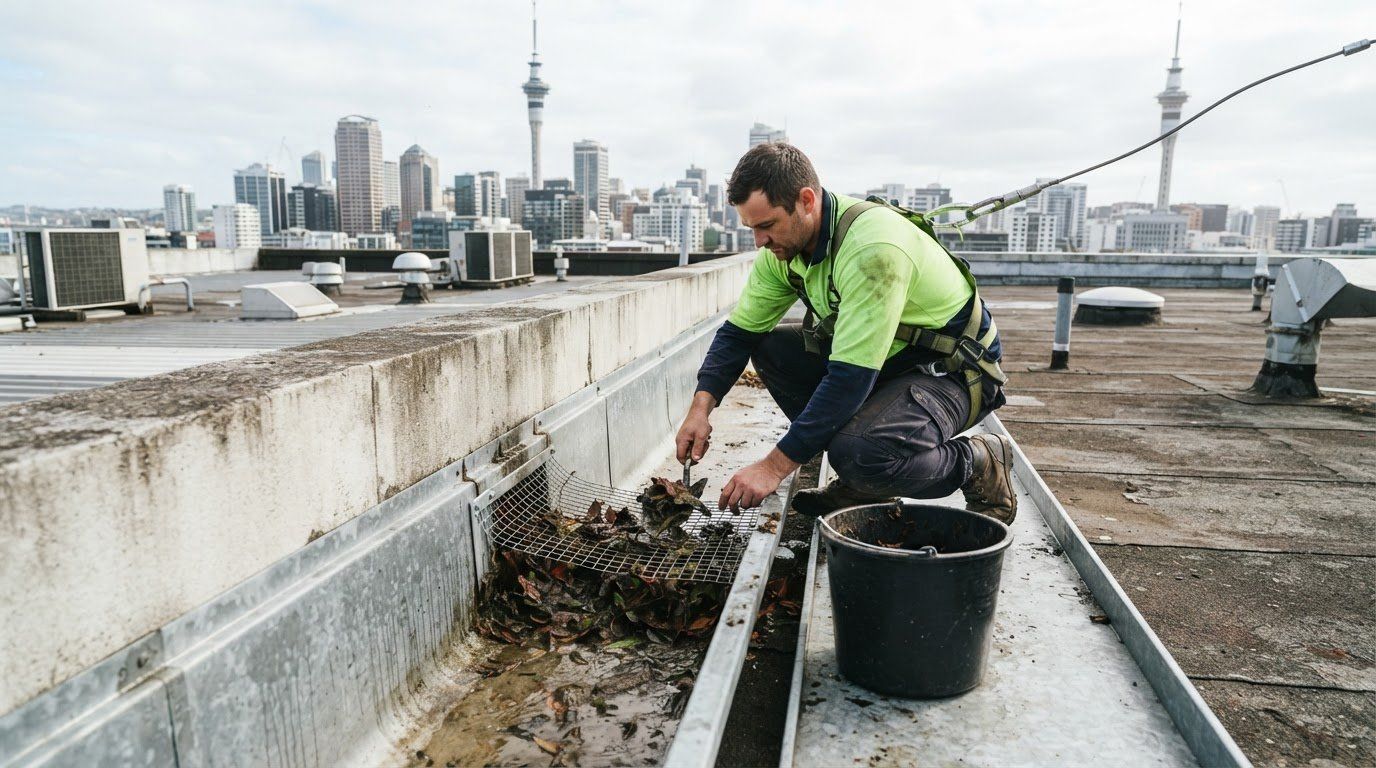
Insurance and health and safety requirements for Auckland contractors depend on the work, site conditions and contract. Agree on the required insurance evidence and site safety controls before work starts. For exterior work, for example, confirm access arrangements, identify hazards and explain how residents will be kept clear of the work area.
For urgent leaks or building emergencies, give the maintenance team clear details: the affected location, visible damage and any immediate risks. This helps them assess the issue, arrange appropriate trade work and record the repair. A leak near shared wiring, for example, needs prompt communication with the body corporate and relevant site contacts. Clear reporting separates temporary action from follow-up repairs, while a maintenance record tracks outstanding work and decisions.
Facilities management
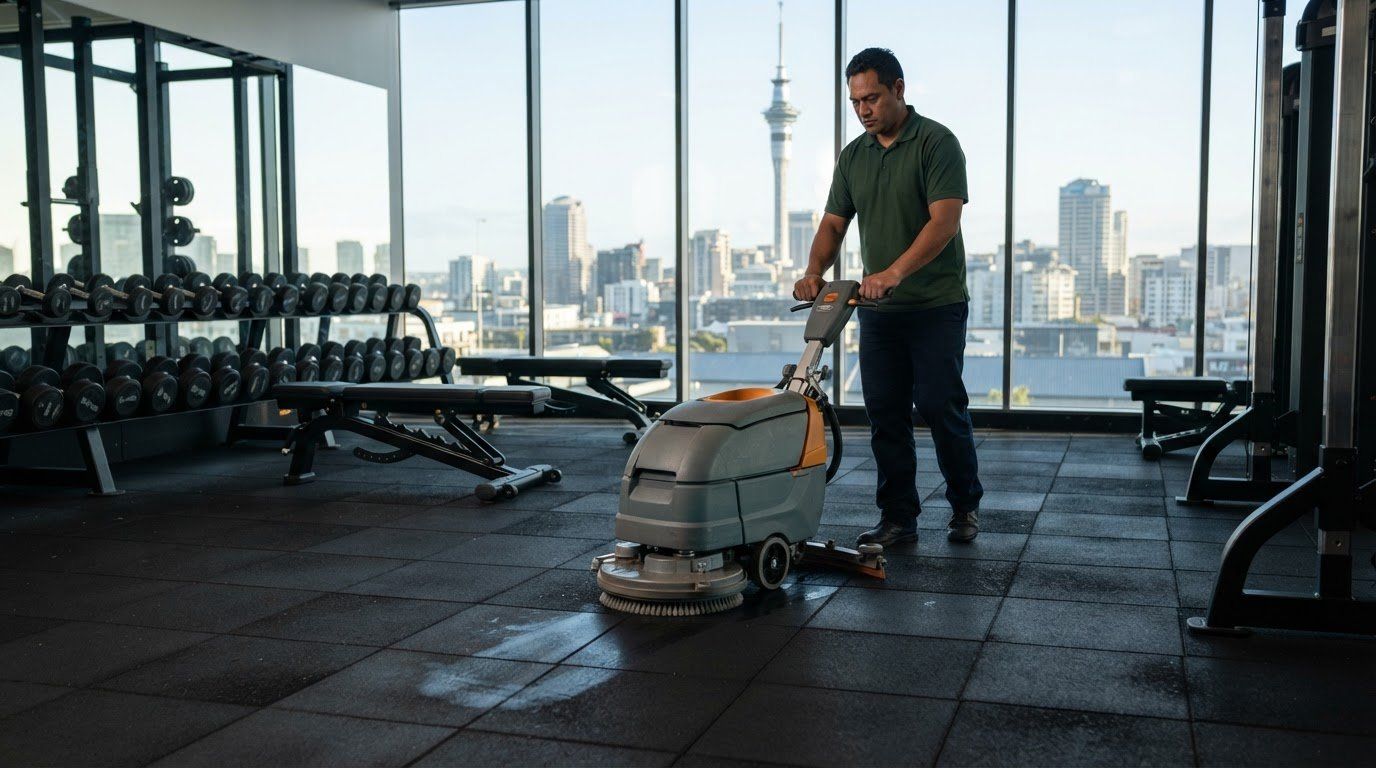
Facilities management coordinates the shared spaces and systems residents use each day. In an Auckland apartment building, these might include lobbies, lifts, corridors, car parks and planted areas. The aim is to keep them functional, accessible and presentable. A clear plan links routine checks, reported faults and scheduled work to specific areas.
For body corporate maintenance services in Auckland, start with a record of building assets and their locations. It can identify each shared facility, its condition, service history and upcoming needs. For example, a lift entry can track recurring door faults, while a car park entry can note damaged markings or drainage concerns. This gives the body corporate a practical basis for prioritising and following up work.
Facilities work can be organised around tasks such as:
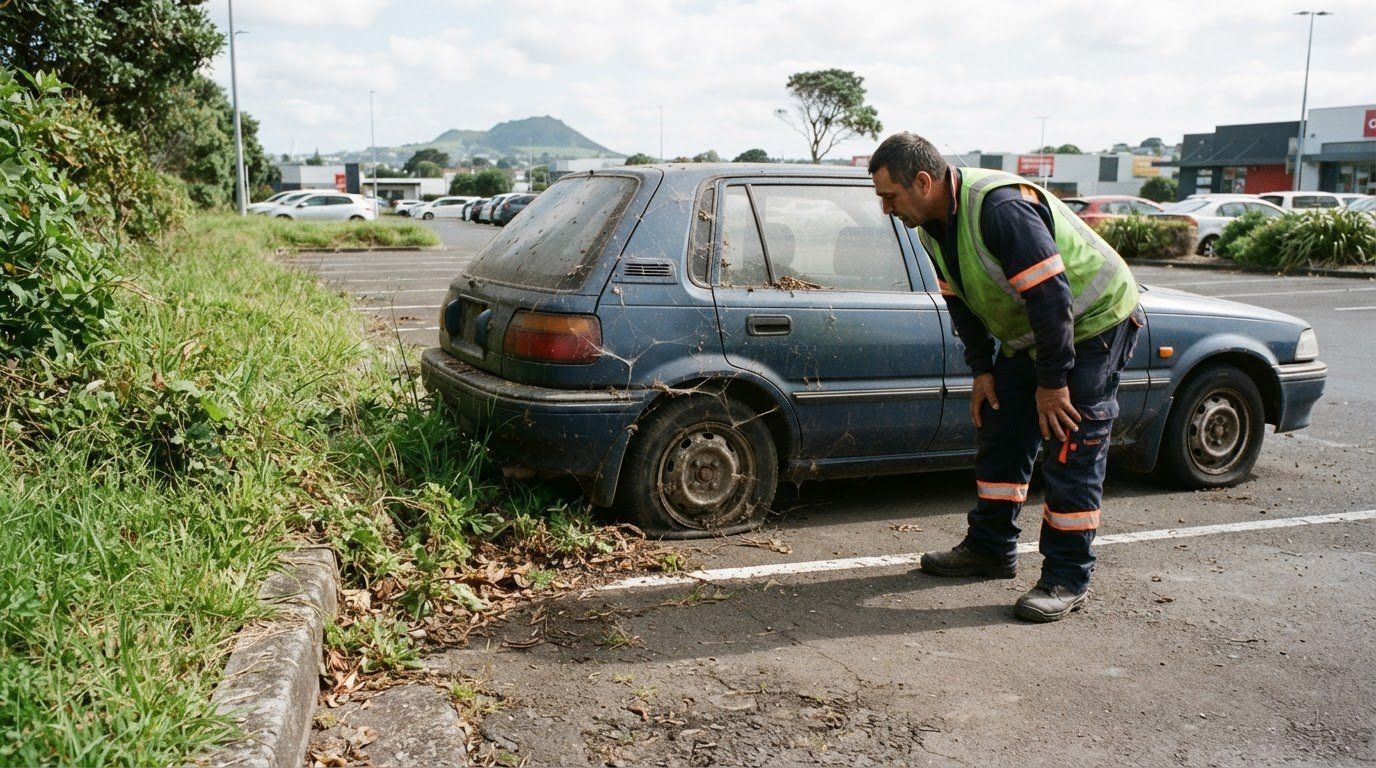
- Inspecting shared entrances, corridors and car parks for visible damage.
- Recording faults, affected locations and actions taken.
- Co-ordinating trade visits around access to shared areas.
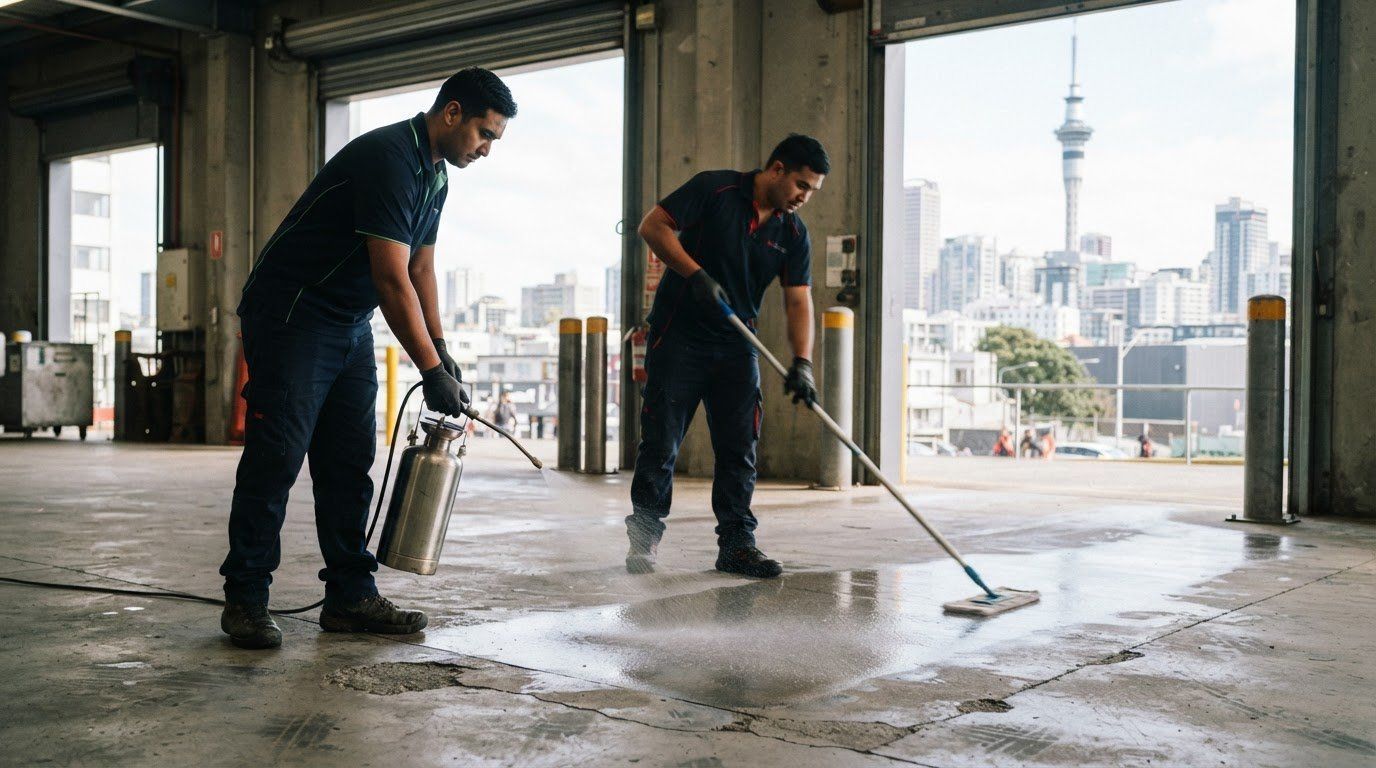
- Scheduling routine upkeep for exterior areas and common facilities.
Good records link each reported issue to its follow-up. If a corridor light fails, note its location, when it was reported and whether repairs remain outstanding. For a blocked access route, record where it is and what action is needed to restore safe passage.
Clear scheduling helps prevent clashes between work and residents’ use of shared areas. A building with shared parking, for instance, may need maintenance visits arranged around vehicle access. For body corporate maintenance services in Auckland, set out the work area, access arrangements and resident notices before each visit. Keep the task scope and service record together.
Provider locations and distance from Auckland
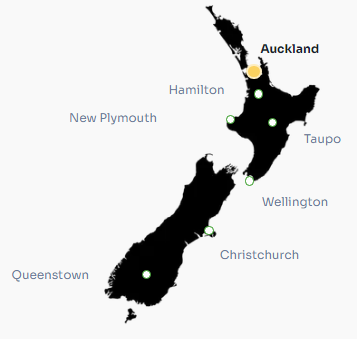
A provider’s location can affect travel planning, site attendance and how jobs are grouped. A nearby base may make inspections or smaller repairs easier to schedule. A provider based further away can still work on an Auckland property, but the travel plan should suit the work and schedule.
Body Corporate Chairs' Group Inc. is listed 2.50 km from Auckland. This is a location reference, not evidence that the group provides building maintenance. For maintenance work, focus on the contractor’s service scope, travel arrangements and experience with the building tasks required.
How can Auckland body corporates assess maintenance providers and compare quotes? Give each provider the same scope, site details and access requirements. Compare the listed tasks, materials, exclusions, travel charges and reporting arrangements, not just the total. A quote for exterior work, for example, should specify which parts of the building it covers.
Which Auckland companies specialise in body corporate maintenance? Body Corporate Chairs' Group Inc. is listed near Auckland, but its listing does not identify it as a maintenance contractor. When assessing a contractor, consider whether its services match the property’s needs, such as scheduled upkeep, exterior maintenance or building repairs.
Before accepting a proposal, compare its details with the building’s priorities. A central Auckland property may need coordinated access to shared areas. A building on the outskirts may benefit from grouping visits to reduce repeated travel. These practical differences can affect scheduling and how site work is organised.
- Set out the exact areas and tasks needing attention.
- Ask for clear inclusions, exclusions and travel costs.
- Compare proposed schedules and reporting methods.
- Check that the scope covers the building’s specific work.
Clear comparisons help the body corporate assess the full service arrangement. A lower total may cover fewer tasks, while a broader scope may include additional work or reporting. Compare each quote with the required outcome and the property’s access needs.
Body corporate maintenance costs in Auckland?
Maintenance costs depend on the property, the work required and the agreed scope. Repairing one damaged entry door is different from planned work across several shared areas. The building’s condition matters too. A contractor needs enough detail to assess labour, materials, access and any trade work involved.
The price depends on the work and is provided after a quote request. Key cost factors include the type and extent of the work, materials, site access, travel and whether several tasks can be completed in one visit. Repairing several exterior faults together, for example, may require different planning from fixing one isolated defect.
A useful quote describes the work clearly. It should identify the affected areas, included tasks, materials, exclusions and any travel charges. This helps the body corporate compare like with like. A proposal for a shared entrance and one for exterior cladding are not directly comparable unless their scopes align.
For scheduled work, the proposed frequency and task list shape the overall arrangement. A plan for regular inspections differs from a one-off repair. Clear records also show the body corporate which tasks are complete and which remain outstanding. This supports planning for later work without treating separate repairs as one undefined job.
Before requesting a quote, gather the practical details in one brief: the building location, affected areas, visible issue, access requirements and preferred scope. Photos can help describe the condition, while access information helps clarify how work can be carried out. If several issues need attention, list each separately so it can be assessed.
Review the total alongside the details, not in isolation. Check whether the quote covers the required tasks and explains exclusions or additional work. A clear scope makes it easier to assess value and plan building expenditure. For a scoped maintenance quote, request a maintenance assessment.
Service King Commercial
Service King Commercial supports body corporates with building repair and maintenance for shared properties. Use its services when building faults need attention or exterior areas require upkeep. A clear scope helps identify the affected areas and arrange the relevant repairs.
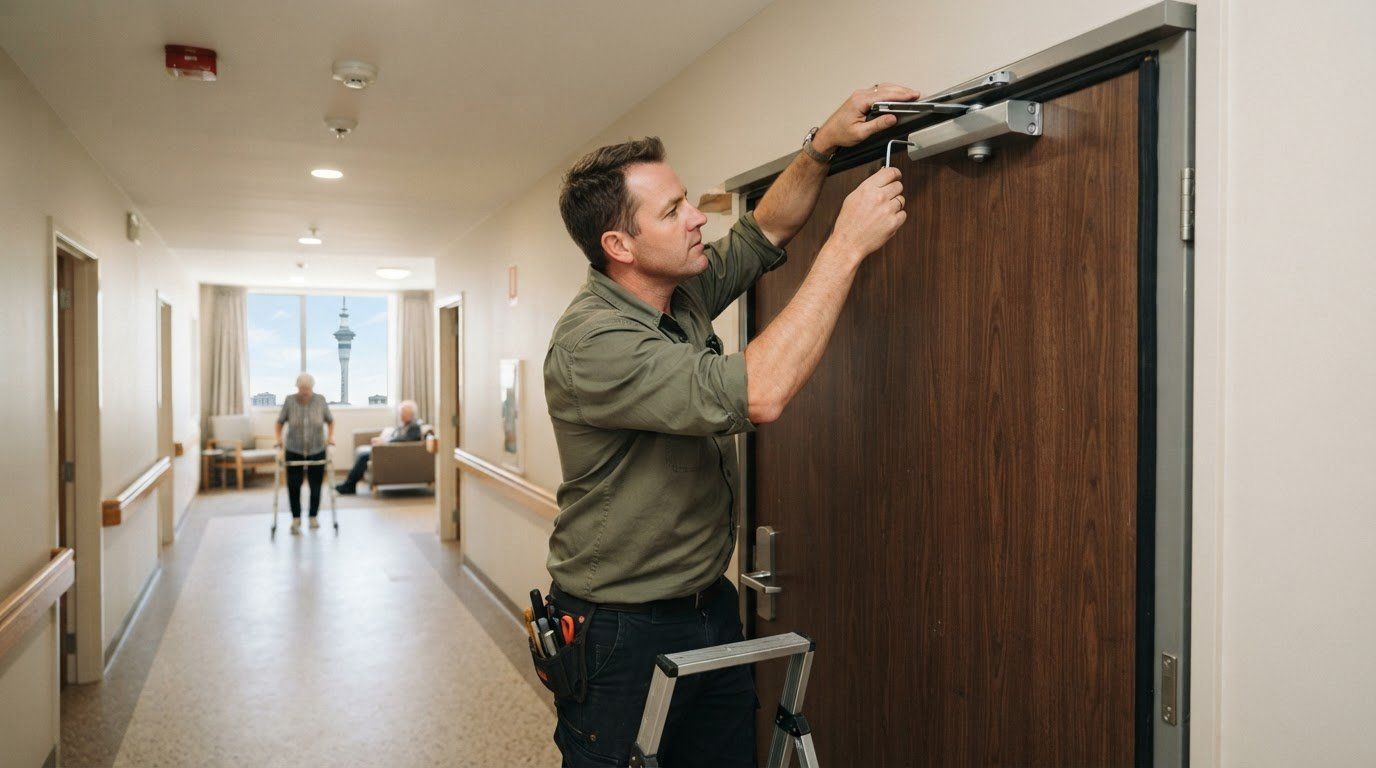
For example, a body corporate managing damage to a shared building element can outline its location, the issue and access needs. These details help define the required work. Service King Commercial’s exterior building maintenance can also address upkeep needs affecting the outside of the building.
Service King Commercial provides practical support for property maintenance, while the body corporate remains responsible for setting priorities and determining responsibility. Contact Service King Commercial to discuss your building’s maintenance needs.
Set the next maintenance priorities
Turn the building’s current maintenance needs into a clear work brief. Identify the affected area, describe the issue and state the required outcome. This gives the body corporate a practical starting point for arranging suitable work and keeping decisions organised.
For body corporate maintenance services in Auckland, a well-defined scope helps align the work with the property’s priorities. Focus the brief on the building rather than assumptions about the cause. Include access details and note any work that needs coordination with residents or shared facilities.
Once the scope is ready, take the next step and discuss the work with a suitable maintenance team. A clear brief makes that conversation more direct and gives everyone a shared reference for planning the job.
Contact Service King Commercial to discuss your building maintenance needs and move towards a practical plan.
Frequently Asked Questions
What maintenance services do Auckland body corporate contractors provide?
Maintenance for shared property areas may include building repairs, exterior upkeep, scheduled maintenance and trade work. The scope depends on the building’s needs and the work agreed with the body corporate. For example, a maintenance team might address damaged exterior surfaces or arrange repairs to a shared entrance. Service King Commercial provides building repair and maintenance, exterior building maintenance, scheduled maintenance and trade services.
How do maintenance contractors coordinate repairs and maintenance with Auckland body corporate managers?
To coordinate work, the contractor needs the manager’s instructions, site information and agreed scope. The manager can identify the affected area, arrange access and communicate relevant building requirements. The contractor can then organise the assigned work and report its progress or completion. For example, a repair to a shared entrance may require residents to be told about access arrangements before work begins.
How do body corporate maintenance plans and long-term maintenance plans work in New Zealand?
A maintenance plan records the work a building needs and helps organise upcoming tasks. It can group assets by location, note their condition and track completed or outstanding work. A long-term plan also helps the body corporate anticipate future upkeep rather than respond only to visible faults. For instance, records of recurring exterior deterioration can inform future maintenance priorities and budget discussions.
Recent Posts