May 25, 2026
What is Scheduled Maintenance?
What Is Scheduled Maintenance?
Scheduled maintenance involves assigning specific tasks to technicians with clear deadlines, which differs from planned maintenance that focuses on what work needs to be done and how.
In practical terms, scheduled maintenance is a proactive approach where maintenance tasks are carried out routinely based on a schedule rather than waiting for failures to occur.
This can include:
- Annual building inspections
- Quarterly maintenance checks
- Washroom inspections
- Pest control monitoring
- Exterior building inspections
- Health & safety compliance assessments
- Preventative maintenance servicing
The goal is simple: identify problems early before they become costly emergencies.
Why Scheduled Maintenance Is Essential for Commercial Properties
Commercial buildings experience constant wear and tear from daily use, weather conditions, equipment operation, and foot traffic.
Without regular inspections and maintenance, businesses risk:
- Unexpected breakdowns
- Health and safety issues
- Staff complaints
- Compliance breaches
- Expensive emergency repairs
- Reduced asset lifespan
- Poor customer impressions
An effective scheduled maintenance program reduces unplanned downtime, extends asset life, and lowers overall maintenance costs by addressing issues proactively.
The Benefits of Scheduled Maintenance
1. Reduce Expensive Emergency Repairs
One of the biggest advantages of scheduled maintenance is preventing costly emergencies.
For example:
- Small leaks become major water damage
- Blocked gutters cause roof leaks
- Faulty dispensers create hygiene issues
- Minor pest activity turns into infestation
- Broken fittings become safety hazards
Routine inspections allow issues to be addressed before they escalate into expensive repairs or operational disruptions.
2. Improve Health & Safety Compliance
New Zealand businesses have legal responsibilities to provide safe working environments for staff and visitors.
Scheduled maintenance inspections help identify:
- Trip hazards
- Damaged flooring
- Water leaks
- Faulty lighting
- Unsafe fixtures
- Blocked emergency exits
- Washroom hygiene concerns
By proactively addressing risks, businesses improve workplace safety and reduce liability exposure.
3. Increase Staff Satisfaction
Employees notice when workplaces are properly maintained.
Clean, functional, and safe facilities contribute to:
- Better workplace morale
- Improved hygiene standards
- Increased productivity
- Greater staff confidence
- Positive workplace culture
Simple maintenance tasks like ensuring soap dispensers work properly, toilets function correctly, and communal areas remain clean can significantly improve staff satisfaction.
4. Maintain a Professional Business Image
Your building reflects your business standards.
Customers, visitors, clients, and employees all notice the condition of your premises. Poorly maintained buildings can create negative impressions and damage business credibility.
A professionally maintained commercial property demonstrates:
- Professionalism
- Attention to detail
- Operational excellence
- Commitment to health and safety
5. Extend the Life of Building Assets
Routine maintenance protects valuable building assets and infrastructure.
Scheduled servicing and inspections help extend the life of:
- Plumbing systems
- Washroom fixtures
- Flooring
- Roofing
- Exterior surfaces
- Lighting systems
- HVAC systems
- Drainage infrastructure
Preventative maintenance costs far less than major replacement projects.
Common Areas Included in Scheduled Maintenance Programs
Washroom Maintenance
Washrooms are one of the most frequently used areas in commercial buildings and directly impact hygiene and user experience.
Scheduled inspections may include:
- Soap dispenser checks
- Toilet seat inspections
- Plumbing leak detection
- Hand dryer testing
- Hygiene assessments
- Consumable monitoring
Businesses benefit from maintaining clean and functional amenities that support employee wellbeing and compliance standards.
Pest Control Services
Pest control services are especially important in:
- Food storage facilities
- Warehouses
- Hospitality venues
- Commercial kitchens
- Healthcare environments
Routine pest monitoring helps businesses:
- Maintain hygiene standards
- Protect inventory
- Meet compliance obligations
- Reduce infestation risks
- Protect brand reputation
Scheduled pest inspections are a critical component of preventative facility maintenance.
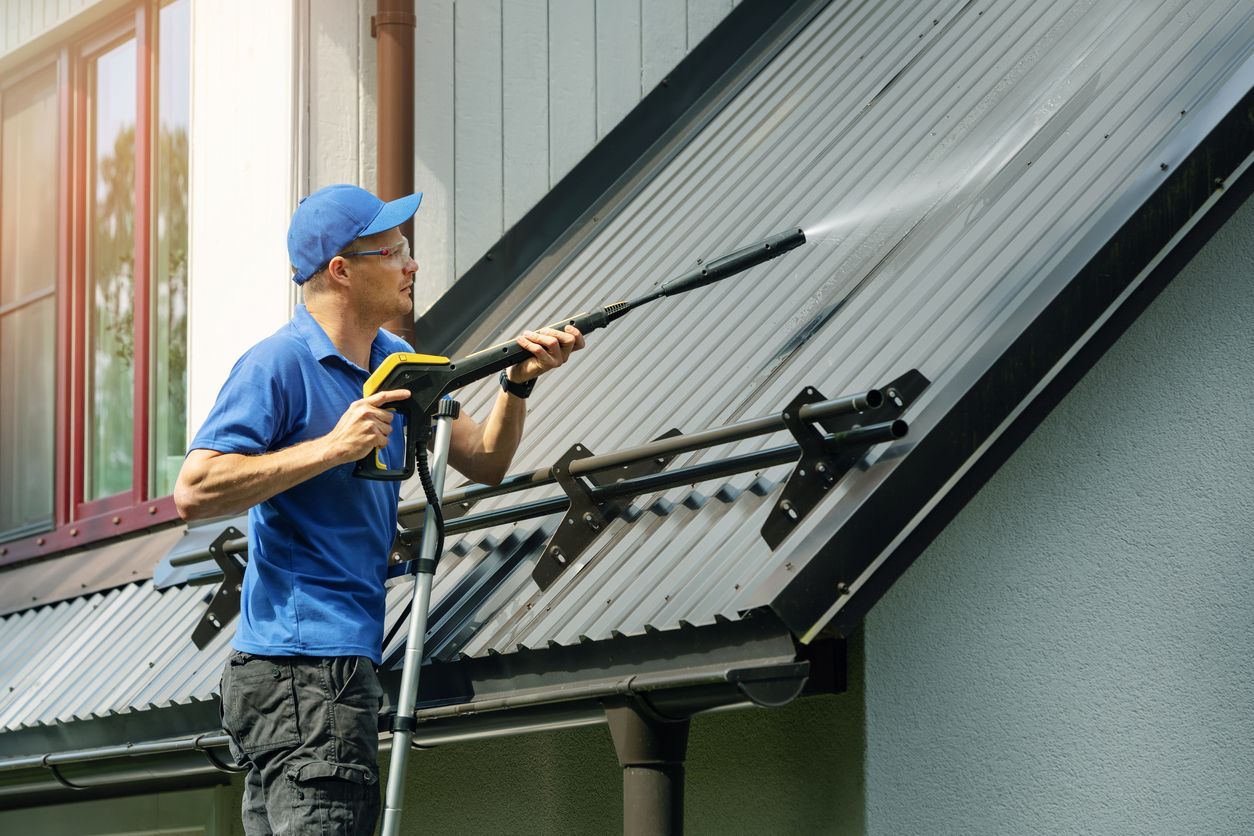
Exterior Building Maintenance
External maintenance protects both the appearance and structural condition of commercial properties.
This may include:
- Building wash inspections
- Gutter maintenance
- Drainage checks
- Roof assessments
- Exterior damage reporting
- Carpark inspections
Routine exterior inspections help businesses avoid weather-related damage and maintain professional presentation standards.
Scheduled Maintenance vs Reactive Maintenance
Many businesses still rely on reactive maintenance — fixing issues only after they fail.
While this may seem cost-effective initially, reactive maintenance often results in:
- Higher repair costs
- Emergency contractor callouts
- Business interruptions
- Asset damage
- Greater safety risks
Scheduled maintenance provides a more controlled and cost-effective long-term solution.
Reactive Maintenance Example
A blocked gutter ignored for months may eventually cause:
- Roof leaks
- Ceiling damage
- Electrical risks
- Mould growth
- Expensive repairs
Scheduled Maintenance Example
Routine inspections identify blocked gutters early, allowing affordable preventative cleaning before damage occurs.
The Importance of Maintenance Reporting
A quality scheduled maintenance program should include detailed reporting and maintenance recommendations.
At Service King, inspections can include:
- Site condition reports
- Priority recommendations
- Maintenance schedules
- Compliance observations
- Preventative suggestions
This allows business owners to:
- Plan maintenance budgets
- Prioritize repairs
- Track recurring issues
- Improve operational planning
Budgeting for Annual Maintenance
Unexpected maintenance expenses can seriously impact business cash flow.
Scheduled inspections help businesses forecast and plan maintenance spending throughout the year.
Benefits include:
- Predictable maintenance costs
- Reduced emergency spending
- Better financial planning
- Improved asset management
Instead of reacting to failures, businesses can strategically schedule repairs and upgrades based on inspection reports.
Using Technology in Modern Maintenance Management
A successful scheduled maintenance program depends on accurate asset data, clear communication, and a modern computerized maintenance management system (CMMS) to streamline work order management, tracking, and reporting.
Modern maintenance systems help businesses:
- Track inspection history
- Manage maintenance tasks
- Monitor recurring issues
- Schedule servicing
- Improve accountability
- Generate reports efficiently
Using metrics like scheduled maintenance critical percent helps your team prioritize overdue tasks based on a combination of lateness and task frequency.
Technology-driven maintenance management improves efficiency while reducing administrative burden.
Recommended Scheduled Maintenance Frequency
The ideal maintenance schedule depends on your building type, usage, and operational requirements.
Recommended Inspection Frequencies
Annually
- Full building inspections
- Roof and gutter assessments
- Exterior maintenance reviews
Quarterly
- Washroom inspections
- Pest control checks
- Safety assessments
Monthly
- High-traffic facility inspections
- Hygiene consumable checks
- Preventative cleaning reviews
Food storage facilities, healthcare sites, and high-occupancy buildings may require more frequent inspections.
Suggestions for Businesses Implementing Scheduled Maintenance
Create a Maintenance Calendar
Schedule recurring inspections throughout the year to prevent missed maintenance tasks.
Prioritize Safety Risks
Address hazards immediately to protect staff and reduce liability.
Keep Maintenance Records
Maintain inspection reports and service history for compliance and planning purposes.
Work with Professional Providers
Partner with experienced maintenance professionals who understand commercial compliance and preventative maintenance strategies.
Don’t Ignore Minor Issues
Small problems are easier and cheaper to fix early.
Why Businesses Choose Service King
Service King provides proactive scheduled maintenance inspections and reporting services designed to support commercial businesses across New Zealand.
We help businesses:
- Stay compliant
- Improve workplace safety
- Maintain professional facilities
- Reduce repair costs
- Improve maintenance planning
- Protect building assets
Our services support:
- Offices
- Warehouses
- Retail centres
- Food storage facilities
- Schools
- Healthcare facilities
- Commercial buildings
Final Thoughts
Scheduled maintenance is not simply about fixing problems — it’s about preventing them.
Businesses that invest in proactive maintenance programs experience:
- Lower operating costs
- Fewer disruptions
- Safer workplaces
- Better compliance outcomes
- Longer-lasting building assets
- Improved staff satisfaction
For busy business owners, scheduled inspections provide peace of mind knowing their premises are professionally monitored and maintained throughout the year.
Service King helps businesses stay proactive with tailored scheduled maintenance solutions designed for long-term operational success.
Recent Posts