
October 1, 2026
One missed warning sign can turn a manageable roof issue into disruption inside a commercial building. A practical roof maintenance commercial building NZ plan starts with regular observation, clear records and timely follow-up, rather than waiting for a leak to appear indoors.
It can be difficult to know what to check, how often to look, or which concerns need a qualified professional. Roof access also needs careful coordination, particularly when maintenance could affect staff, tenants or daily operations. A consistent process helps you record changes and decide whether to monitor them or arrange an assessment.
This guide explains what to look for on a commercial roof in New Zealand, how to set a workable inspection and maintenance routine, and when to escalate a concern. It also covers record-keeping and coordinating access with the right trades. The aim is a practical cycle of observation, prioritisation and qualified follow-up, so maintenance decisions are based on what you find and the roof’s condition.
Key Takeaways
- Check for visible changes across the roof surface, drainage points and building interior. Treat warning signs as prompts for assessment, not a confirmed diagnosis.
- Build a roof maintenance commercial building NZ plan around the roof’s condition, site exposure and professional advice.
- Keep clear records of defects, reports and completed actions so concerns can be tracked and followed up.
- If a defect appears, make the area safe, report it and arrange an appropriate assessment before planning access or work.
- Before engaging a maintenance partner, confirm its roof-related scope, access arrangements and the records it provides.
Table of Contents
- Commercial roof maintenance in NZ: what it covers and why it matters
- Commercial roof warning signs to check across NZ buildings
- How to build a commercial roof maintenance plan for NZ conditions
- Safe response to roof defects during operations
- Planning commercial roof maintenance with a building maintenance partner
Commercial roof maintenance in NZ: what it covers and why it matters
Commercial roof maintenance is the planned observation, routine upkeep and professional follow-up used to manage a roof’s condition over time. It helps building teams identify visible changes, track concerns and decide when specialist assessment or repair work is needed. A roof is part of the building envelope, so its condition can affect how well the building sheds water and protects the spaces below.
For a roof maintenance commercial building NZ plan, tailor checks to the roof type, known age, access arrangements and site exposure. A visual check can note debris, loose-looking components or signs of water inside, but it is not a technical inspection. Assessing a suspected defect or carrying out repairs may require a suitably qualified roofing professional. Keep these roles clear: observations flag concerns, while technical assessment helps determine the appropriate action.
Roof condition can also affect day-to-day operations. A leak or drainage issue may disrupt occupied areas, stored goods or equipment. Records of observations, reports and completed work give facilities teams useful history when planning upkeep and deciding what needs attention next.
How commercial roof maintenance differs from reactive repairs
Planned checks take place before a reported leak or visible damage prompts action. Reactive repairs address a problem that has already become apparent. Neither approach can prevent every roof failure, and maintenance alone does not guarantee compliance. However, dated findings and follow-up records can help teams identify recurring concerns, such as water staining in the same area, and check whether agreed work has been completed.
Why New Zealand site conditions matter
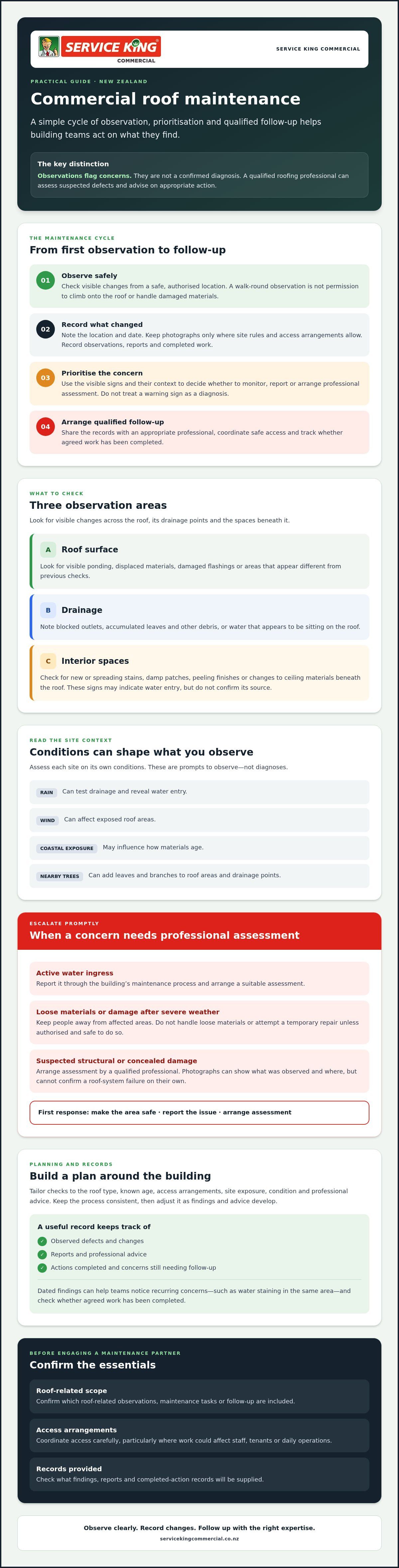
Assess each site on its own conditions. Rain can test drainage and reveal water entry; wind can affect exposed roof areas; and coastal exposure may influence how materials age. Nearby trees can add leaves and branches, while blocked or slow-draining outlets may allow water to collect. These are points to observe, not diagnoses. Record what you see and seek professional advice if a defect or access concern needs closer assessment.
Keep routine visual checks within safe, authorised access arrangements. A walk-round observation is not permission to climb onto a roof or handle damaged materials. Record the concern, report it through the site’s maintenance process and arrange qualified follow-up where needed.
Commercial roof warning signs to check across NZ buildings
Use observations to flag changes, not to diagnose the cause. A roof maintenance commercial building NZ checklist should cover three areas: the roof surface, drainage details and the spaces beneath the roof. Rain, wind, coastal exposure and nearby trees can all affect what you see, but only a qualified professional can assess suspected roof defects.
What to observe from a safe location
- Roof surface: Look for visible ponding, displaced materials, damaged flashings or areas that appear different from previous checks. Wind or heavy rain may contribute to movement or expose existing weaknesses.
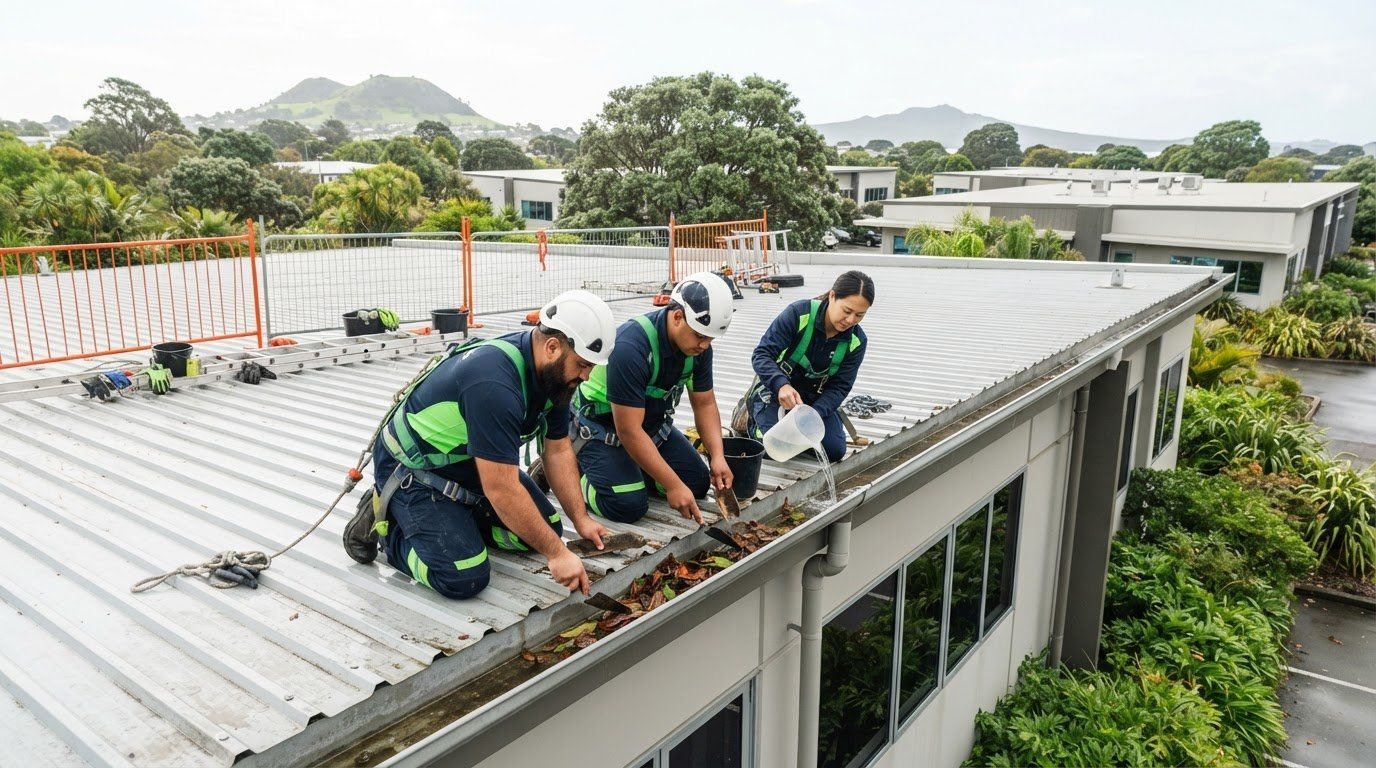
- Drainage: Note blocked outlets, accumulated leaves and other debris. Trees close to the building can add debris, while poor drainage may leave water sitting on the roof.
- Interior: Check for new or spreading stains, damp patches, peeling finishes or changes to ceiling materials beneath the roof. These signs may indicate water entry, but they do not confirm where it came from.
Staff should not climb onto roofs or enter unsafe areas to investigate. Observe from a safe, authorised location and follow site access rules. Record the location and date, and take photographs only where access and site rules allow. For metal roofing, the Metal Roofing Manufacturers Association’s code provides technical context, including NZBC Clause B2, Durability.
When a roof issue needs prompt professional assessment
Escalate active water ingress, loose materials and damage noticed after severe weather. Report the issue through the building’s maintenance process, keep people away from affected areas and arrange a suitable assessment. Do not handle loose materials or attempt a temporary repair unless authorised and safe to do so.
Suspected structural damage or a defect that may be concealed beneath the roof surface needs assessment by a qualified professional. Photographs can help show what was observed and where, but they cannot confirm a roof-system failure on their own. Share the records and arrange an on-site assessment where needed.
If you are considering a maintenance partner, discuss your building maintenance requirements and confirm whether the specific roof inspection or repair falls within its scope. Some concerns may require a specialist roofing contractor.
How to build a commercial roof maintenance plan for NZ conditions
A useful plan turns roof information into scheduled checks, clear responsibilities and tracked follow-up. A roof maintenance commercial building NZ programme should distinguish routine observations from technical inspections and repair work. Staff can record visible changes from safe locations. A qualified roofing professional should advise on specialist inspections, repair requirements and suitable intervals.
Set inspection priorities by roof and site
Start with what is known about the roof and building. Record the roof type, known age, access arrangements and previous repair history. Add site factors such as coastal exposure, nearby vegetation, drainage conditions and building use. Use these details to set priorities instead of applying the same schedule to every site.
Maintenance frequency should reflect the roof’s condition, site exposure and professional advice, not a one-size-fits-all calendar.
- Gather roof information. Collect available plans, past inspection reports, repair records and access details. Note gaps or uncertainties so they can be checked.
- Prioritise areas and risks. Identify roof sections or drainage points that need closer observation based on condition, exposure and repair history.
- Set the routine. Schedule visual checks at intervals recommended by a qualified roofing professional. Consider additional checks after significant weather or site changes, and keep these observations separate from technical inspections.
- Assign responsibilities. Name the person who records observations, reports concerns and tracks follow-up. Make sure staff know that visual checks must not involve unsafe roof access.
- Plan professional work. Record recommended inspections or repairs, who will assess them and any access coordination required. Confirm the contractor’s scope before arranging work.
- Review completed actions. Check that work orders are closed with an outcome recorded. Revisit unresolved items and update priorities as the roof’s condition or building use changes.
Keep maintenance records useful and consistent
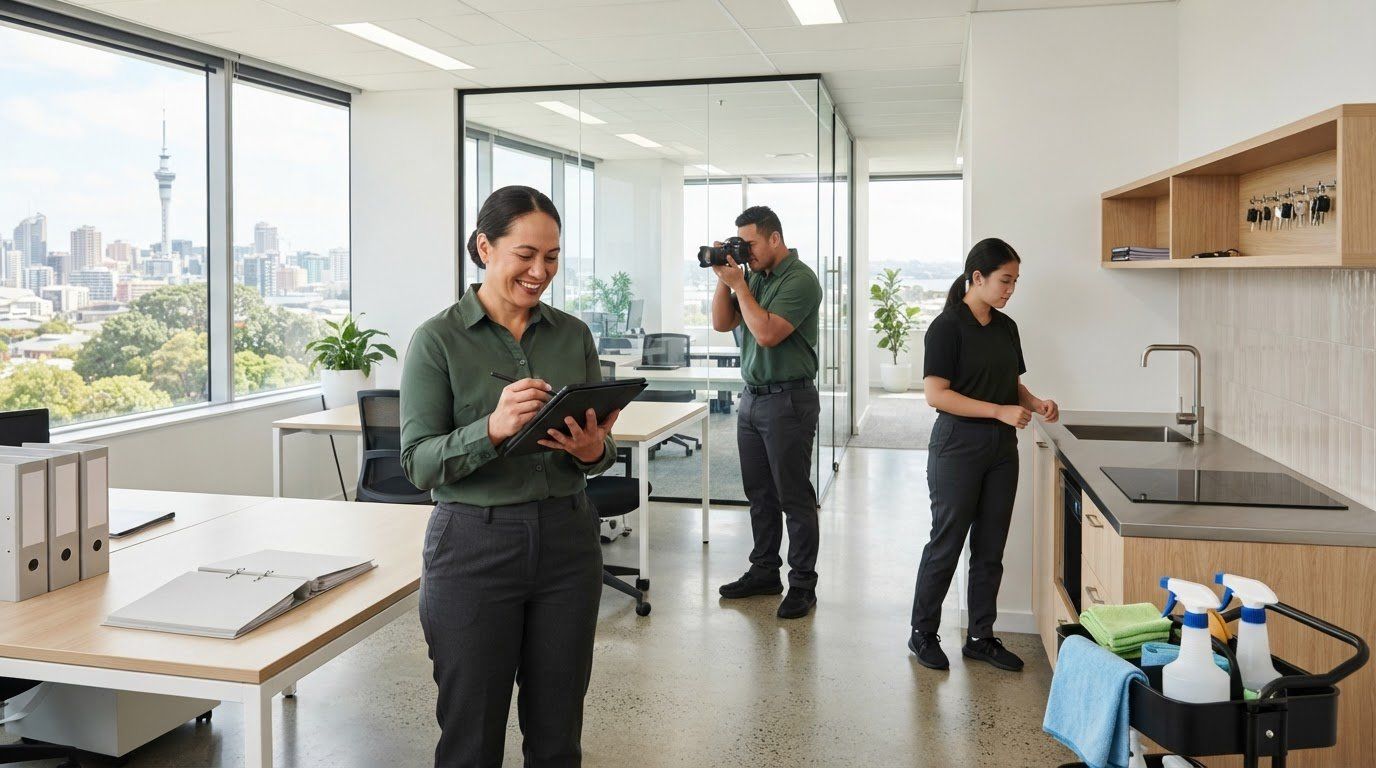
Keep observations, dates, photographs where permitted, work orders and responsible contacts in one accessible record. For each open issue, note its location, status and agreed next step. This makes handovers clearer and helps staff see whether a concern is new, recurring or already addressed.
Review the record after significant weather events and changes to building use, such as new equipment or altered occupancy. Update the plan when professional advice or completed work changes what is known about the roof. Scheduled maintenance programmes can help organise these tasks, but confirm roof-specific inspection and repair scope with the provider.
Safe response to roof defects during operations
A roof defect needs a controlled response, especially in an occupied building. Follow a clear sequence: make the affected area safe, record what is visible, report it to the responsible property contact, arrange an appropriate assessment and track the agreed follow-up. Do not climb onto the roof or enter an unsafe area to investigate or attempt a repair.
Triage leaks and visible roof damage
Put people first. Follow the site’s emergency procedures and keep occupants away from areas affected by water, falling materials or other immediate hazards. Report active leaks promptly to the responsible property contact. If you can do so safely, record where and when the issue appeared, which areas are affected and any visible changes.
Do not choose repair methods or materials based on a photograph or a quick look from inside. Arrange assessment by a qualified professional, who can advise on the cause and appropriate work. If water is affecting electrical equipment or creating another immediate hazard, follow the relevant site procedures and contact the responsible personnel.
Coordinate contractors and building users
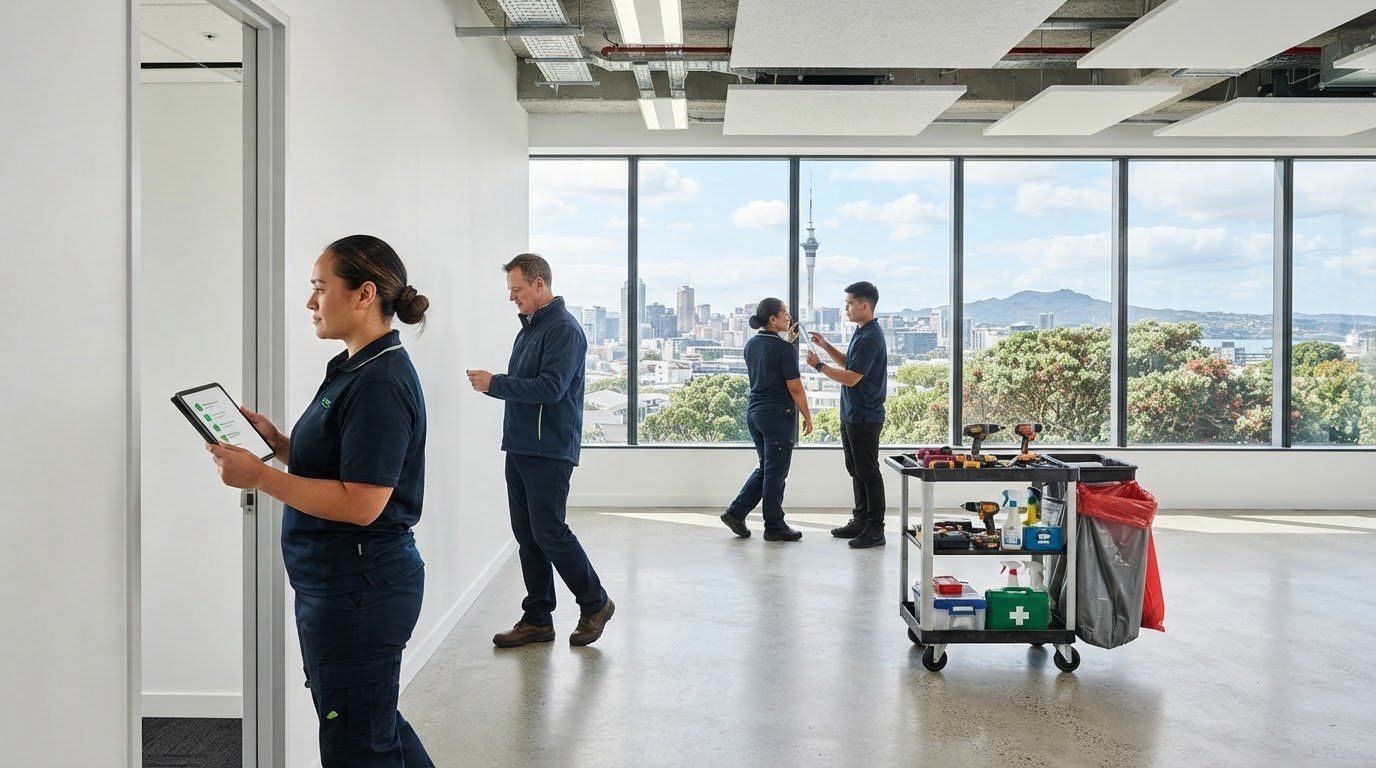
Before arranging work, confirm the affected areas, access requirements and who will manage the site contact. Agree how tenants or other building users will be notified about restricted areas, noise or other disruption. Coordinate timing with building operations and make sure contractors understand site access and safety procedures.
After the work, record what was completed, who carried it out and whether further assessment or inspection was recommended. Keep unresolved items open in the maintenance record until the next step is agreed and assigned. This gives the property team a clear handover and helps prevent follow-up tasks being lost during busy operations.
Drainage concerns may also involve gutters. A dedicated guide to commercial gutter maintenance can help readers plan checks for this part of the roof system. Until then, record visible blockages or overflow from a safe location and arrange suitable assessment rather than attempting work at height.
For support with commercial building maintenance, discuss your maintenance requirements with Service King Commercial. Confirm whether the specific roof-related assessment or repair is within its scope; some work may need a specialist roofing contractor.
Planning commercial roof maintenance with a building maintenance partner
A reactive-only approach starts work after a leak or visible defect disrupts the site. Documented scheduled upkeep gives the building team a process for recording observations, assigning follow-up and reviewing completed work. It can support earlier reporting and clearer planning, but it cannot prevent every failure or guarantee savings.
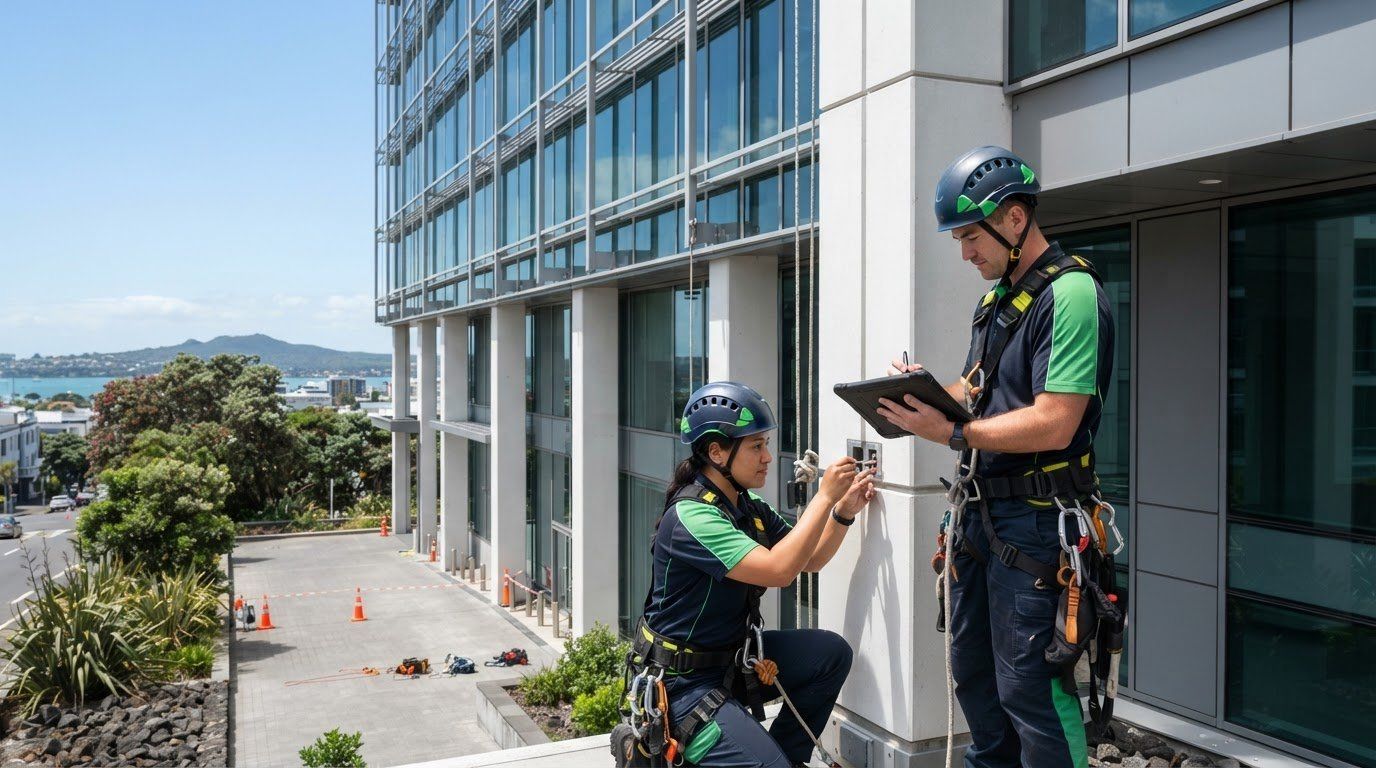
For roof maintenance commercial building NZ planning, a partner’s general building or exterior maintenance capability does not automatically include roofing work. Confirm the roof-specific scope before agreeing to a programme. Service King Commercial provides scheduled maintenance, exterior building maintenance, building repairs and trade services. Confirm directly whether those services cover your roof inspection or repair needs.
What to confirm before agreeing a maintenance scope
Get clear answers before work is scheduled. Ask which roof observations and repairs are included, and whether suspected specialist issues will be referred to a qualified roofing professional. Confirm how access will be planned, who will coordinate with building users and what the provider will record after each visit.
- What roof-related tasks are included, and what falls outside the agreed scope?
- How will observations, photographs, work orders and unresolved issues be recorded?
- Who is responsible for reporting defects and tracking follow-up actions?
- What qualifications and insurance are relevant to the specific work proposed?
- How will access, affected areas and escalation be managed if a defect needs urgent attention?
Ask for responsibilities and next steps to be documented. If the work requires specialist roofing expertise, confirm who will provide it rather than assuming it is covered by a general maintenance arrangement.
When to discuss scheduled commercial maintenance
A planned programme may be useful when several building issues need tracking, or when observations and follow-up are being missed between reactive jobs. Set the scope around the roof’s known condition, site exposure, access arrangements and operational needs. Agree what gets checked, how often professional advice recommends assessment, who receives reports and how open items are reviewed.
A suitable partner should be able to explain where its responsibilities begin and end. If your site needs roof-specific inspection or repairs, confirm whether Service King Commercial can support that scope before proceeding. Discuss commercial building maintenance requirements and check that the proposed work matches your site’s needs.
Put a practical roof maintenance plan in place
A dependable roof maintenance commercial building NZ plan starts with safe, regular observation and clear records. Note visible changes, report active leaks promptly and use qualified professionals to assess suspected defects. Set inspection timing to suit the roof’s condition, site exposure and professional advice, then track each agreed action through to completion.
Scheduled upkeep can help building teams organise work and follow up on reported concerns. Service King Commercial provides commercial exterior building maintenance, building repairs and scheduled maintenance programmes tailored to commercial site requirements. Confirm whether the roof-specific inspection or repair you need is within its scope. Specialist roofing work may require a roofing contractor.
Discuss your commercial building maintenance requirements and confirm whether Service King Commercial can support your site. A clear scope and consistent records give your team a practical starting point for managing roof maintenance with confidence.
Frequently Asked Questions
How often should a commercial roof be inspected in New Zealand?
Inspection timing should reflect the roof’s condition, age, materials, site exposure and professional advice. There is no single interval that suits every commercial building. Ask a qualified roofing professional to recommend a suitable schedule, and consider additional checks after severe weather or changes to the building. Routine visual observations by site staff can help flag changes between technical inspections, provided they are made from safe, authorised locations.
What should a commercial roof maintenance checklist include?
A practical checklist should cover visible roof surfaces, flashings, drainage points and signs of water entry inside the building. Include the date, location and description of each observation, plus photographs where site rules allow. Record who was notified, any work order raised, who is responsible for follow-up and whether the issue was resolved. For roof maintenance commercial building NZ planning, keep routine observations distinct from professional inspection findings and repair records.
Can building staff inspect a commercial roof themselves?
Building staff can make visual observations from a safe, authorised location, such as noting ceiling stains or visible debris from ground level. They should not climb onto a roof or enter an unsafe area to investigate. A visual check is not a technical inspection and cannot confirm the cause of a defect. Arrange assessment by a qualified roofing professional if staff notice damage, suspected structural problems or signs that need closer inspection.
What are common signs that a commercial roof needs attention?
Common warning signs include visible ponding, displaced roof materials, damaged flashings, blocked outlets, water stains, damp patches or changes to ceilings beneath the roof. Wind, rain, coastal exposure, nearby trees and drainage conditions may all be relevant to what you observe. These signs do not confirm a specific fault. Record the location and date, then arrange professional assessment if the concern is active, recurring or appears to have worsened.
Does roof maintenance differ between Auckland and other parts of NZ?
The maintenance approach should be based on each building’s roof condition and site exposure, rather than its city alone. In Auckland, consider local factors such as rain, wind, coastal exposure, nearby vegetation and roof drainage. Other New Zealand sites may face different combinations of exposure and weather. Ask a qualified roofing professional to recommend checks for your building, and confirm access and service coverage with any provider you are considering.
What should I do if a commercial roof starts leaking?
Follow the site’s emergency procedures, protect people and report active water ingress promptly to the responsible property contact. Keep occupants away from affected or unsafe areas. Record where and when the leak appeared and which areas are affected, but do not climb onto the roof or attempt a repair. Arrange assessment by a qualified professional before deciding on repair methods or materials, and track the agreed work and any follow-up.
Who is responsible for commercial roof maintenance in a leased building?
Responsibility depends on the lease and any related property arrangements. Check the written terms and contact the landlord, property manager or facilities contact to confirm who must organise inspections, repairs and access. Tenants should report leaks or visible damage promptly through the agreed process and keep a record of the report. Do not assume a particular party is responsible based only on who occupies or owns the building.
Can scheduled roof maintenance prevent every leak?
No. Scheduled maintenance can help organise observations, record recurring concerns and prompt follow-up, but it cannot prevent every leak or identify every concealed defect. Roofs can be affected by weather, ageing, site conditions and unexpected damage. Use a site-specific plan, act on warning signs and arrange professional assessment where needed. Maintenance supports informed decisions, but it does not guarantee a roof will remain leak-free.
Recent Posts