
November 5, 2026
Workplace repairs are easier to manage when the work and timing are clear. Commercial office repair services in Auckland should define the repair scope, communication and scheduling, with the aim of resolving building issues while keeping disruption manageable.
A damaged door, loose fitting or other building fault can interrupt work and create uncertainty about access. A clear repair process identifies what needs attention, arranges a suitable time and keeps affected people informed. Regular updates help office teams plan around the work instead of guessing when it will happen. Commercial office repair services for Auckland workplaces should make these practical details part of the process.
This guide explains what office repairs can involve and how communication and scheduling support the process. It also outlines what to include when reporting a fault and how building repair and maintenance can support Auckland workplaces. The repair scope affects planning, access details shape the work plan, and useful updates explain what is happening. Effective commercial office repair services in Auckland start with a clear understanding of the fault and the work required.
Key Takeaways
- Plan Auckland-wide repair work around the workplace location, the issue and the access arrangements needed for the job.
- Understand how building repair and maintenance can address faults and help keep commercial spaces fit for use.
- Set clear expectations for updates and timing so staff can plan around repair work.
- Give a precise description of the fault and its location to help establish the repair scope and next steps.
Table of Contents
Auckland-wide service
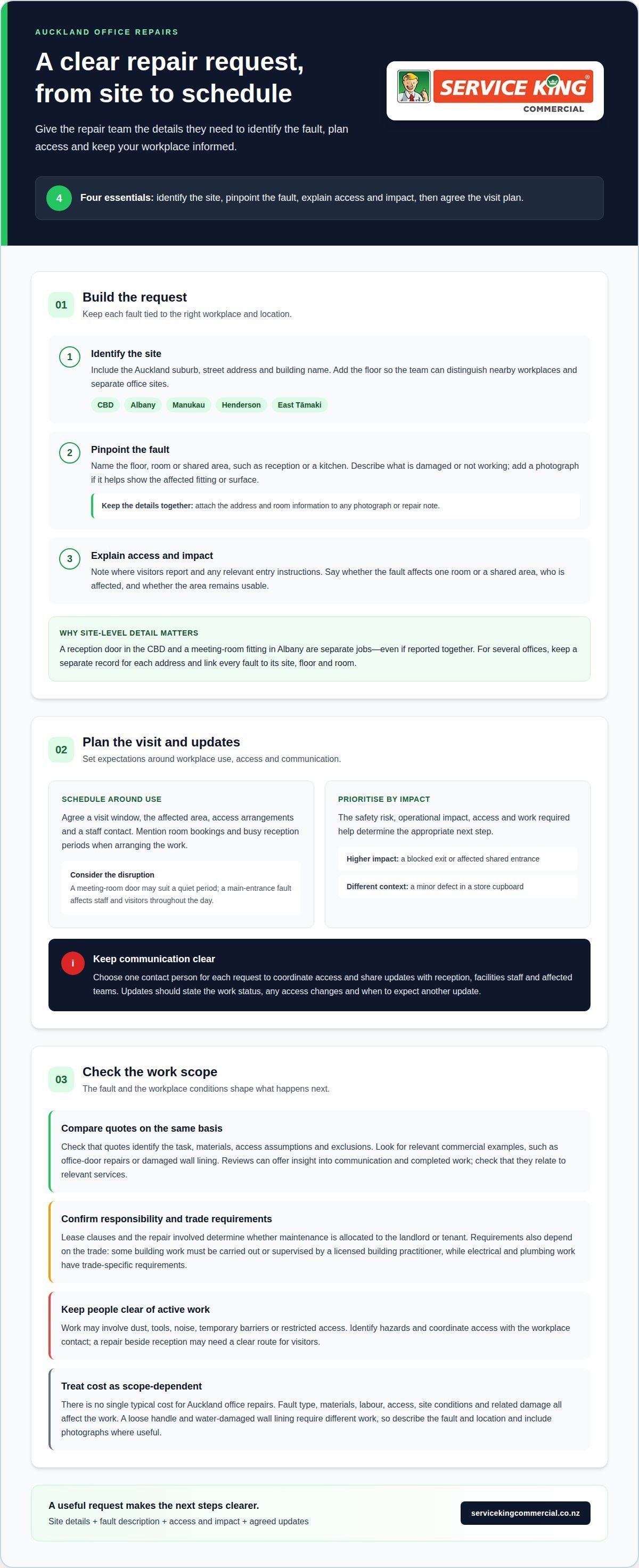
For an Auckland office, location helps shape a repair visit. A CBD tenancy, an Albany office and a Manukau workplace may have different access arrangements. Along with the suburb, building entry, parking and the fault’s location affect the work plan. When reporting an issue, include the street address, building name and floor. These details help identify the right workplace and avoid confusion between nearby sites.
Clear site information is especially useful when a business has several Auckland offices. A property manager coordinating sites in Henderson and East Tāmaki can group repair requests by location, giving the maintenance team a clearer view of the work at each address. Link each fault to its site, floor and room. A reception door in the CBD and a meeting-room fitting in Albany are separate jobs, even if reported together.
Use a simple reporting sequence for each workplace:
- Identify the site: provide the Auckland suburb, street address and building name.
- Pinpoint the issue: name the floor, room or shared area, such as a kitchen or reception.
- Explain access: note where visitors report and any entry instructions relevant to that location.
- Describe the impact: say whether the fault affects one room or a shared workplace area.
For businesses with several Auckland addresses, keep a separate record for each site. A consistent format helps distinguish a repair at a Newmarket office from one at a nearby central-city location. It also gives staff a clear way to report issues without relying on vague descriptions such as “the other branch”. Add a photograph if it helps show the affected fitting or surface, and keep the address and room details with it so the request stays tied to the correct workplace.
These steps make location part of the work request, not an afterthought. For commercial office repair services in Auckland, accurate site details help organise the right visit and distinguish jobs at separate workplaces.
Commercial workplace repairs and maintenance
Office maintenance can include repairs to fixtures, finishes and building components. The work scope, lease terms and site conditions shape each job.
Contractor reviews and quotes
Compare Auckland contractors by matching their reviews and quotes against the same repair scope. Look for examples involving commercial premises and similar work, such as repairing an office door or damaged wall lining. A quote should identify the task, materials, access assumptions and any exclusions. Reviews can indicate how customers describe communication and completed work, but check that they relate to relevant services. Comparable details make differences between quotes easier to understand.
New Zealand licensing requirements depend on the trade and work involved. Some building work must be carried out or supervised by a licensed building practitioner; electrical and plumbing work also have trade-specific requirements. Identify the task before deciding which qualifications apply, rather than treating every office repair as the same type of work.
Under an Auckland commercial lease, responsibility depends on the lease clauses and the repair involved. The agreement may allocate maintenance duties between landlord and tenant, so the relevant clause and affected building component matter. A damaged tenant-owned fitting may be treated differently from a building element managed by the landlord.
Repair work can expose staff and visitors to dust, tools, noise, temporary barriers or restricted access. The work plan should identify hazards, keep people clear of active work areas and coordinate access with the workplace contact. For example, a repair beside reception may require a clear route for visitors while work is underway.
Typical repair costs
There is no single typical cost for Auckland office repairs because the scope varies. The cost depends on the fault, materials, labour, access, site conditions and whether related damage needs attention. A loose handle and water-damaged wall lining require different work. Describe the fault and location, and provide photographs where useful to help define the scope for a quote.
Communication and scheduling
A clear work request helps organise access, staff updates and repair timing. The issue’s impact and the work required shape the schedule.
Office repair scheduling
Schedule repairs around the office’s daily use. A loose meeting-room door may be easier to address during a quiet period, while a fault at the main entrance affects staff and visitors throughout the day. The work plan should state the agreed visit window, access arrangements, affected area and staff contact. Mention room bookings and busy reception periods when arranging the visit.
Urgent repair response times
Prioritising an urgent repair depends on the safety risk, operational impact, access and work required. A fault that blocks an exit or affects a shared entrance needs different attention from a minor defect in a store cupboard. Report what happened, where it is, who is affected and whether the area remains usable. This information helps determine the appropriate next step.
Choose one contact person for each repair request. They can coordinate building access and share updates with reception, facilities staff and affected teams. If a repair restricts access to a meeting room, for example, staff need to know which area is unavailable and whether the schedule changes. Keep updates factual: state the current work status, any access changes and when to expect another update.
A practical request should include:
- Issue: describe the fault and when it started.
- Location: identify the floor, room and nearby landmark.
- Impact: explain whether work, access or staff safety is affected.
- Access: provide entry instructions and the workplace contact.
For an active leak near desks, report its location, spread and effect on the workspace. Keep people clear of the affected area and promptly share any change. A consistent update process connects the repair team, site contact and staff without conflicting instructions. Record schedule changes in the same communication thread so everyone has the latest information.
General repairs
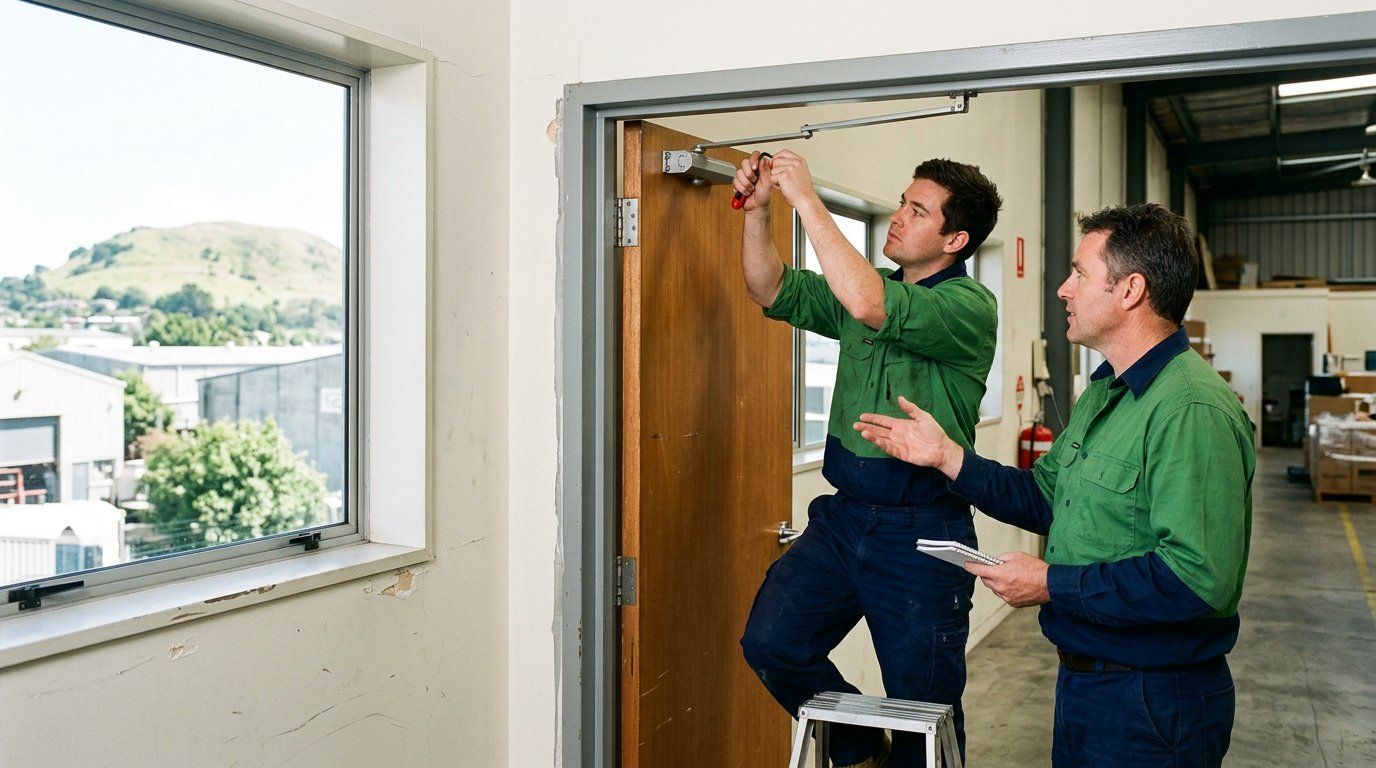
General office repairs can include damaged doors, loose handles, wall finishes, flooring and faulty fittings. Each request needs a clear description of the fault and its effect on the workplace. A door that will not close differs from a scuffed wall because it may affect room use and access. Describe the problem before deciding whether it needs a general repair or specialist trade work.
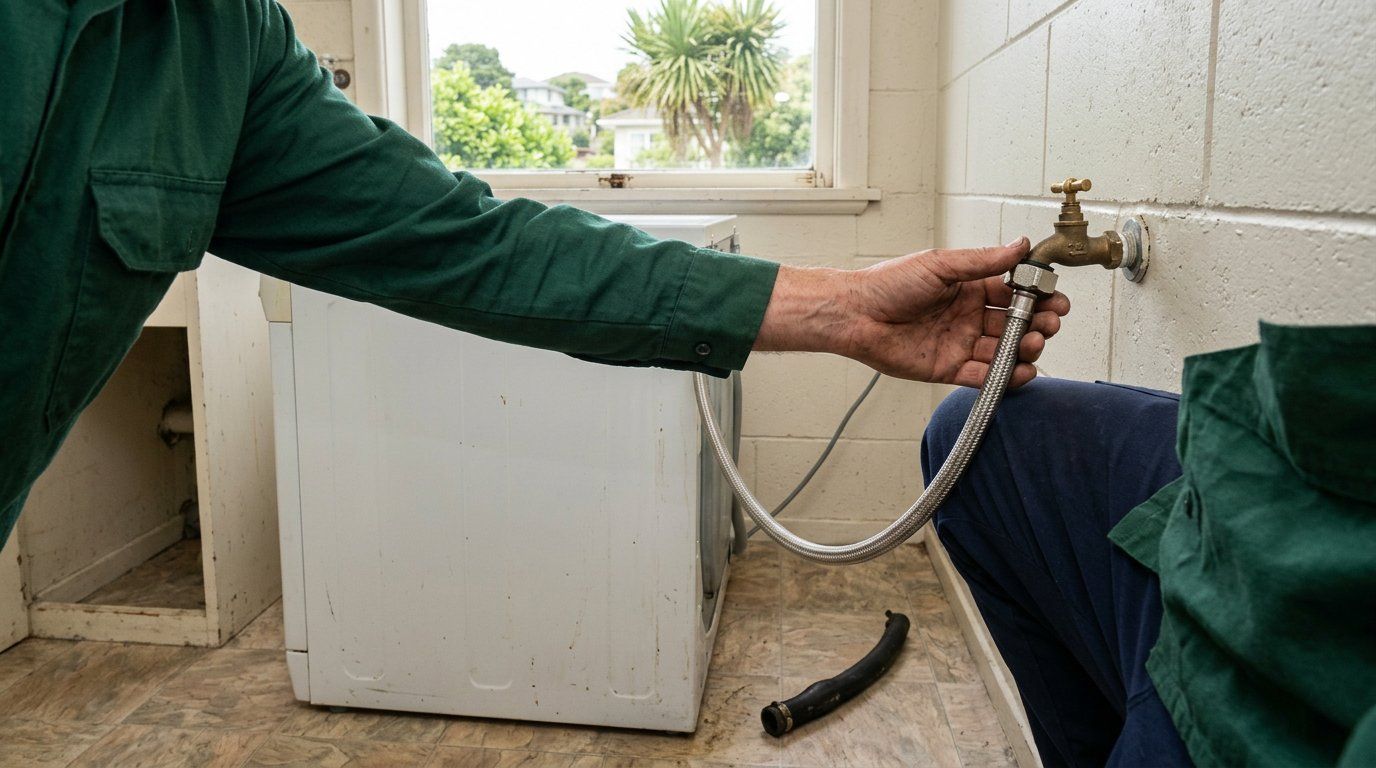
Auckland providers may handle plumbing, electrical and HVAC issues through relevant trade services. The work required depends on the fault, such as a leaking tap, a failed light fitting or an air-conditioning unit that stops cooling.
Use these details to make a repair request practical:
- Identify the defect: describe what is damaged, loose, leaking or not working.
- Locate it: name the room and nearby feature, such as the kitchenette sink beside the staff area.
- Explain its effect: note whether the fault affects access, comfort or use of the space.
- Share useful evidence: attach a clear photograph of the affected fitting or surface.
Some faults need more than a surface repair. A damp patch below a ceiling, for example, may point to an issue beyond the visible mark. Describe when it appeared and whether it has changed to help define what needs investigation, rather than treating the visible damage as the whole job. For a cracked floor tile, include its position and whether people regularly walk across it.
Separate maintenance tasks from changes to the office layout. Replacing a broken cupboard hinge is a repair; moving partition walls is a different scope. This distinction helps set expectations about the work, materials and access required. Grouping related faults by room can also clarify the scope, such as listing a damaged drawer and loose shelf in one kitchenette.
Keep the request focused on observed facts. Avoid guessing at the cause of a fault, particularly with plumbing, electrical or HVAC systems. A concise description gives the repair team a useful starting point. Arrange a workplace repair when an office fault needs attention.
Service King Commercial: Building Repair and Maintenance
Service King provides building repair and maintenance for commercial workplaces in Auckland. Turn to this service when an office fault needs practical repair work or several building issues need a coordinated scope. Share the affected area, the fault and its impact on normal use. These details give the repair team a clear starting point for understanding the work.
A damaged door, loose fitting or worn interior surface can affect how staff use an office. Building repair and maintenance addresses these workplace needs. The work depends on the fault and the condition of the affected area. Clear details help establish the next step and keep repair work distinct from other facility needs.
Contact Service King Commercial to discuss building repairs for your workplace.
Set a clear next step for your workplace
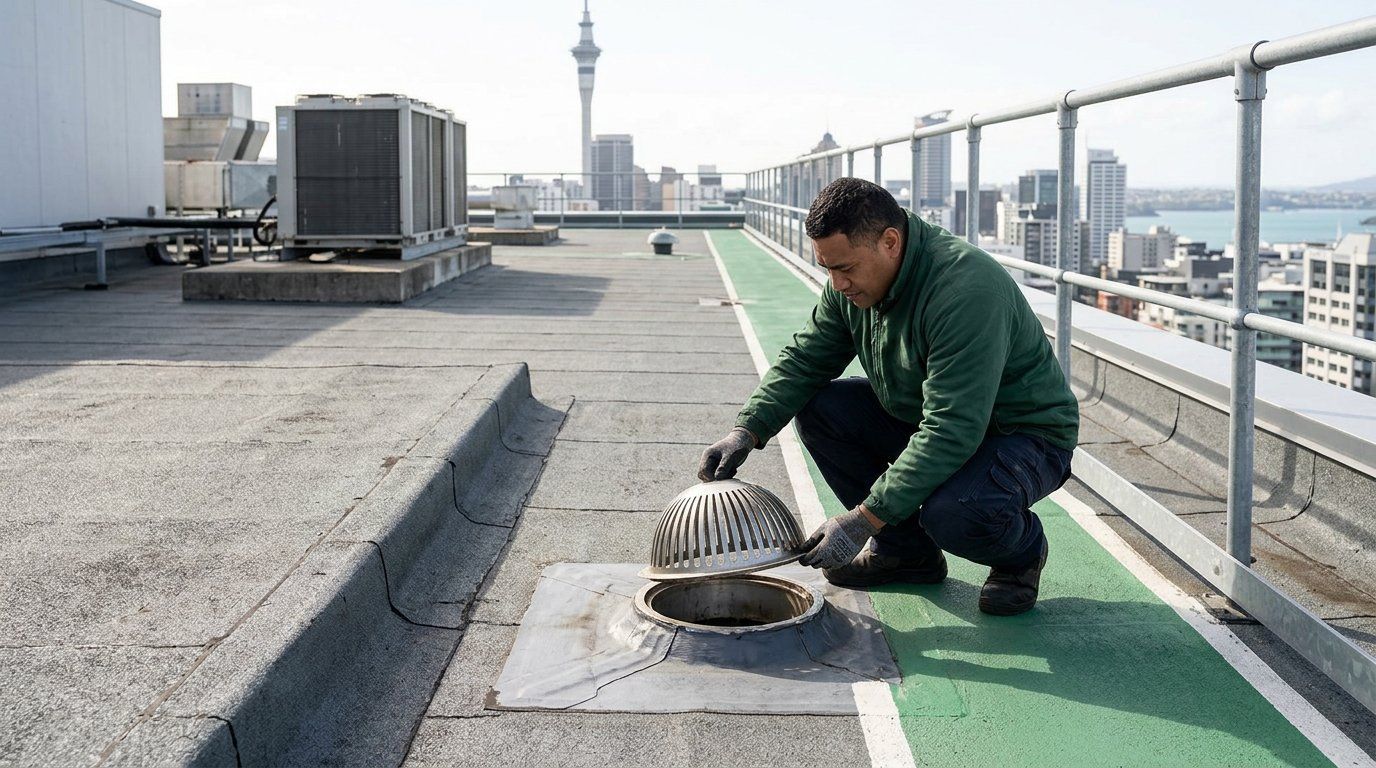
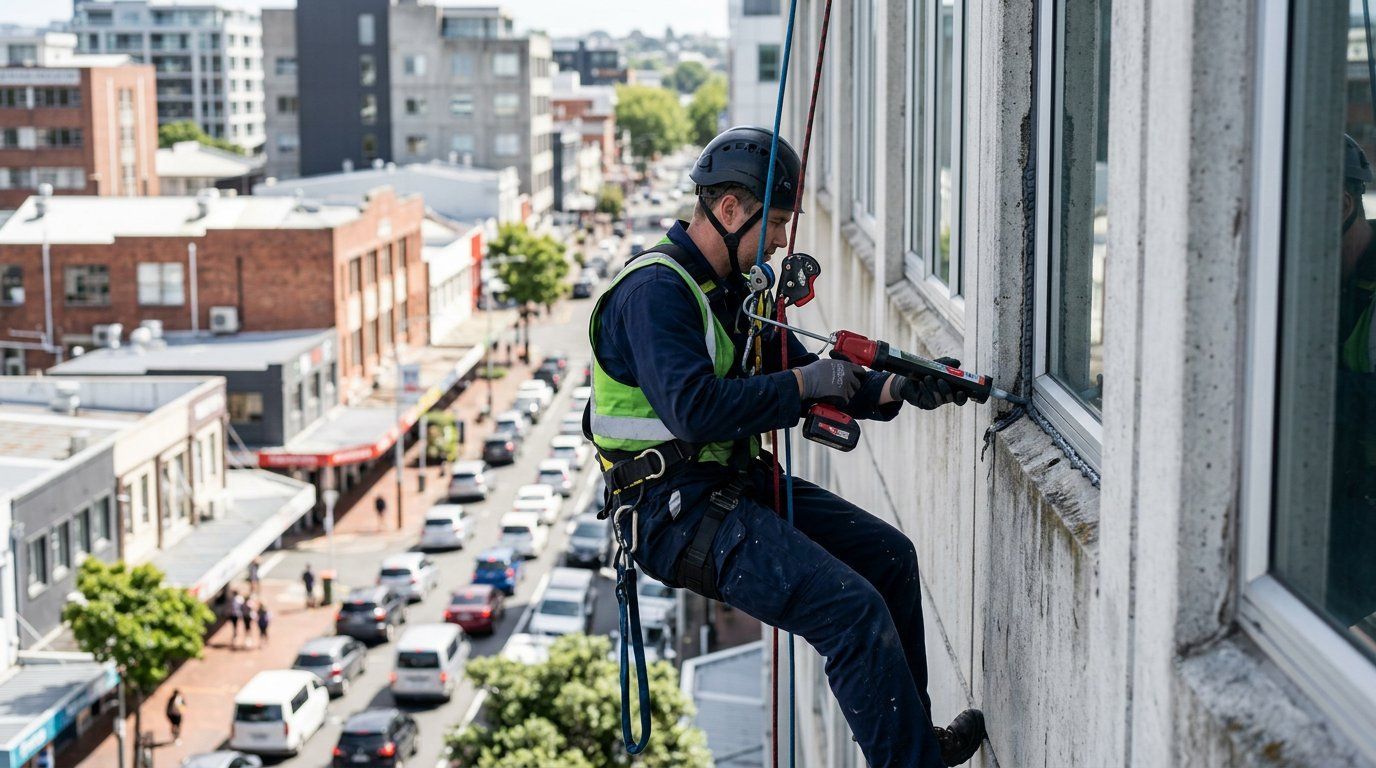
Use each repair request to support a practical approach to building work. A consistent point of contact and a clear work brief can connect repair decisions with wider property plans. For example, an upcoming tenancy handover may make end-of-lease work relevant, while exterior building maintenance can address needs beyond the office interior.
Service King provides building repair and maintenance for commercial workplaces in Auckland, along with End of Lease Service and Exterior Building Maintenance. If you need commercial office repair services in Auckland, choose the work that fits the immediate issue and the property’s wider requirements.
Contact Service King Commercial to discuss the repair work your workplace needs. A clear next step can help you move from an identified fault to an organised plan for the property.
Frequently Asked Questions
What commercial office repair services are available in Auckland?
Auckland businesses can arrange building repairs and maintenance, exterior building maintenance, scheduled maintenance and trade services. Examples include repairing a building component, maintaining an office exterior or planning upkeep around a commercial site’s needs. Plumbing, electrical and HVAC faults call for the relevant trade expertise. The appropriate work depends on the fault and property, so describe the issue when arranging service.
Which Auckland companies specialise in commercial office repairs and maintenance?
Service King provides building repair and maintenance in Auckland, alongside exterior building maintenance, scheduled maintenance and trade services. These services support businesses managing building faults and wider property upkeep. A commercial property manager, for example, can discuss an internal repair and an exterior maintenance requirement with the same provider. The work scope depends on the property and tasks required.
What steps should Auckland businesses take to arrange office repairs?
Start by identifying who is authorised to arrange work for the tenancy, then prepare a concise request describing the repair and the outcome needed. For a recurring fault, mention previous work or related issues so the scope can account for wider maintenance needs. Agree who will coordinate access and staff updates. Keep the request and any changes together for a clear record.
Recent Posts