
November 6, 2026
A commercial property maintenance checklist in NZ should cover exterior and interior conditions, building systems, health and safety, and general upkeep. Check roofs for rust, leaks and flashing issues, and record who completed each inspection and when. Use monthly checks for routine servicing, then review the wider site quarterly for seasonal maintenance needs.
A clear schedule makes checks easier to act on. Log each fault, assign a follow-up and track it through to completion. This guide explains why building inspection checklists matter, what to review each month and how to prepare the property each quarter. It also covers landlords’ maintenance responsibilities for rental properties in New Zealand. The result is a practical routine for keeping building conditions visible and maintenance tasks organised, with checks and records that support consistent follow-up.
Key Takeaways
- Use weekly checks to spot issues with filters, electrical panels, roofs, fire systems and landscaping before they need follow-up work.
- Schedule monthly servicing for HVAC, boilers, electrical systems, plumbing and lifts. Specified systems must be inspected, maintained and signed off in Form 12A for a Building Warrant of Fitness.
- Use quarterly reviews to prepare the property for seasonal conditions, including checking gutters, downpipes, paths and parking areas for damage or blockages.
- As a landlord, maintain rental properties in a reasonable state of repair so they are safe and healthy to live in, and ensure required smoke alarms are working.
Table of Contents
What’s the Purpose of a Building Inspection Checklist?
Common maintenance concerns in New Zealand include roof leaks, blocked drainage, faulty fire systems and trip hazards. Regular walk-throughs, clear task ownership and dated records help property teams identify faults and organise repairs.
A routine walk-through should focus on the building’s immediate maintenance needs:
- Inspect air filters for dust or blockage, because restricted airflow affects HVAC operation.
- Look over electrical panels for visible damage, heat marks or blocked access, and report faults for qualified attention.
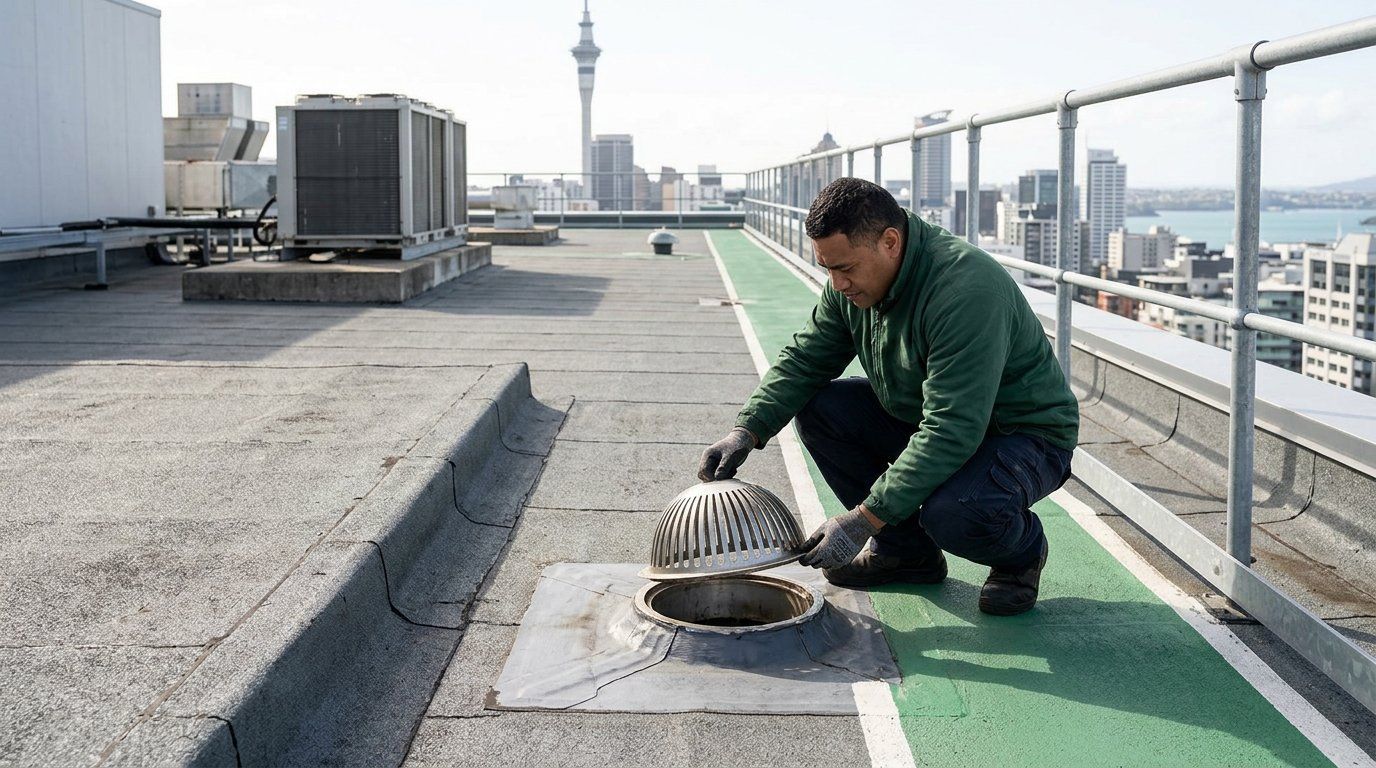
- Check roofs for rust, leaks and damaged flashing, which can allow water into the building envelope.
- Review fire systems for visible damage or obstruction, and record any issue for prompt follow-up.
- Walk landscaped areas for fallen branches, uneven paths or blocked drains, which can create hazards near entrances.
Turn each finding into an assigned maintenance task. Name the responsible person, describe the fault, set a due date and record when the work is complete. This creates a clear trail from inspection to repair. Add tenant reports, such as a recurring leak or faulty light, to the same task log.
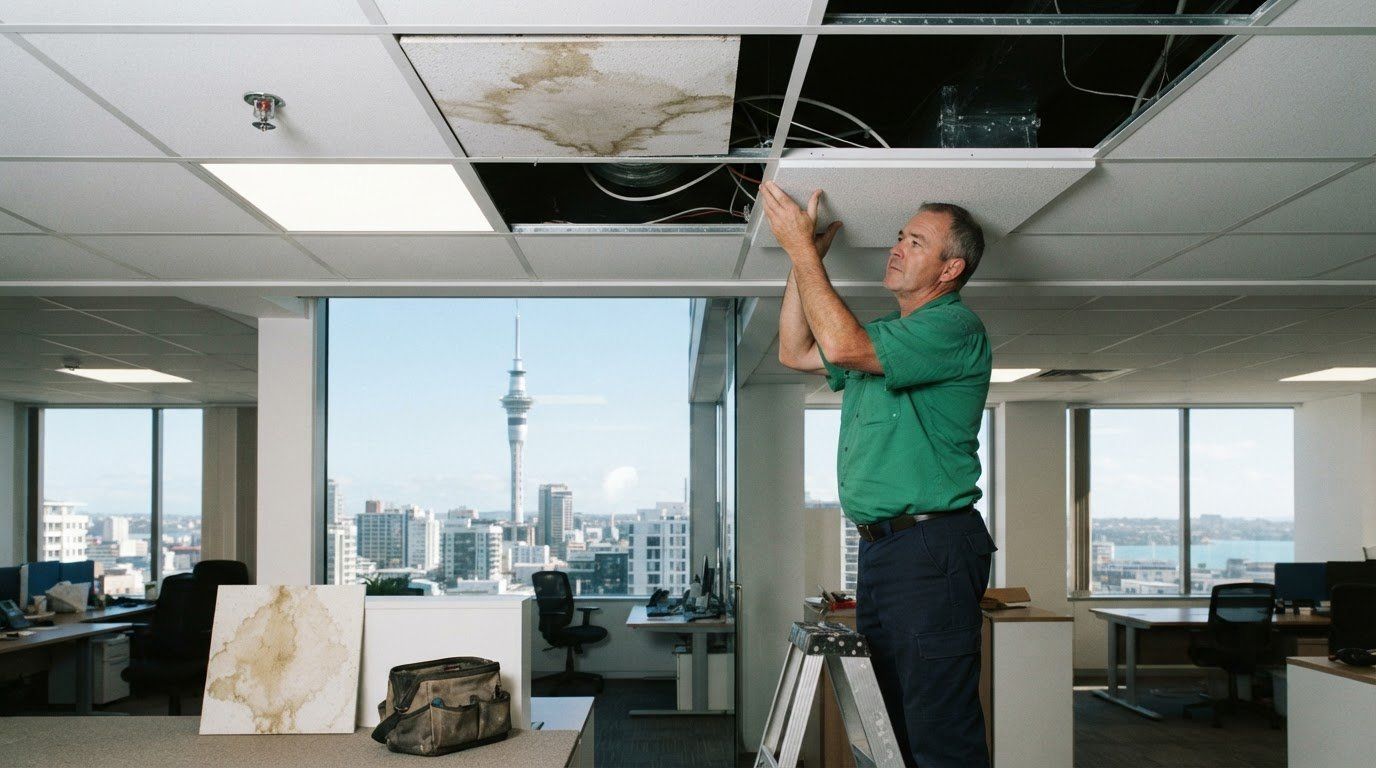
Check the wider building envelope during roof and facade inspections. Look for cracked seals, loose cladding, damaged gutters and signs of moisture inside. Photograph defects and note their location so maintenance teams can track changes and prioritise repairs.
Use an annual review to organise compliance records and major-system inspections. Check that fire safety, accessibility and electrical requirements are covered in the building’s maintenance schedule. The New Zealand Building Code is a compliance reference for building inspections. Include specified systems such as alarms, emergency lighting, lifts and HVAC in the system register.
Keep a record of every inspection. Note the date, areas checked, inspector’s name, findings, assigned tasks and completion details. Consistent records make inspections easier to compare and help property teams spot overdue work before it affects building use.
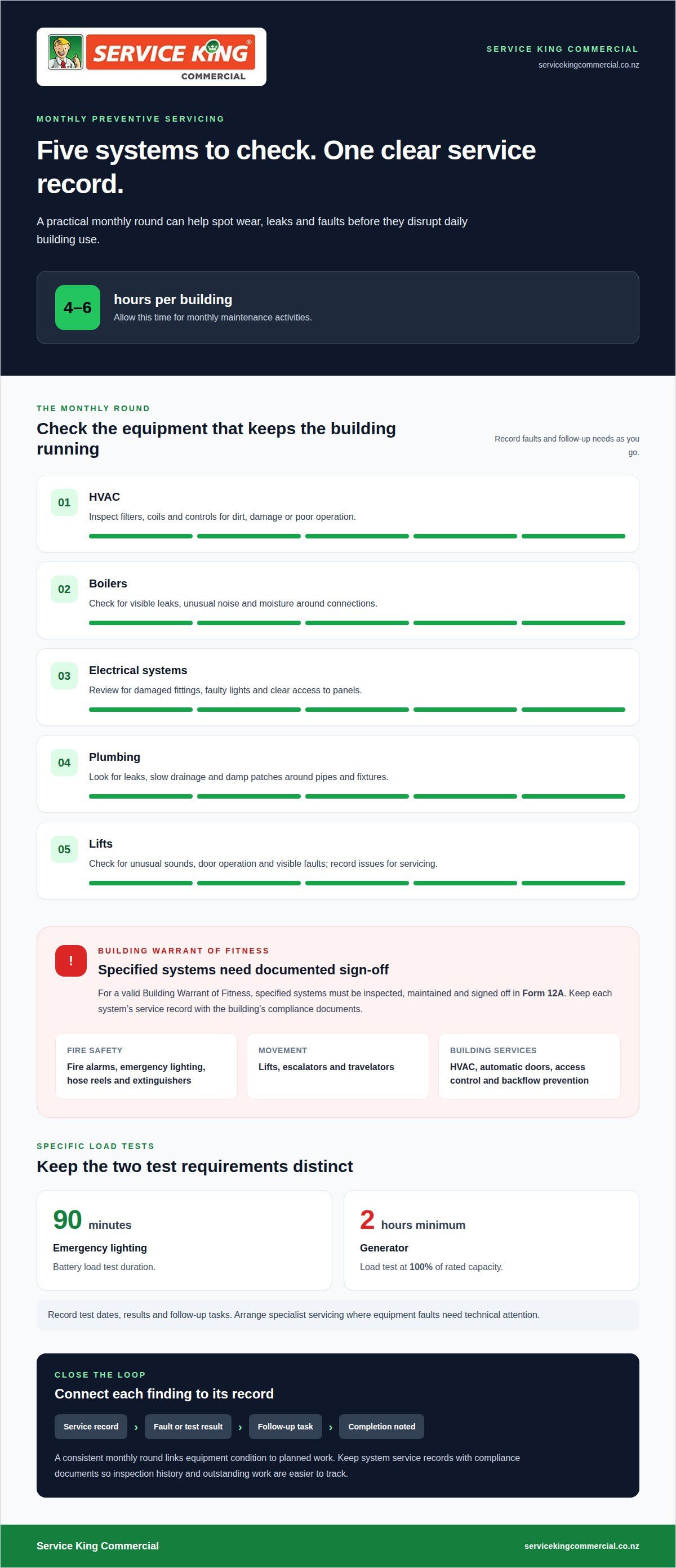
Monthly preventive servicing of HVAC, boilers, electrical systems, plumbing, and lifts
Set a monthly service round for equipment that supports daily building use. The checks should identify wear, leaks and faults before they disrupt tenants. Allow 4-6 hours per building for monthly maintenance activities.
Include these practical checks:
- Inspect HVAC filters, coils and controls for dirt, damage or poor operation.
- Check boilers for visible leaks, unusual noise and signs of moisture around connections—routine checks that heating specialists like Blueflame Boilers Ltd recommend alongside professional annual servicing to prevent costly breakdowns.
- Review electrical systems for damaged fittings, faulty lights and clear access to panels.
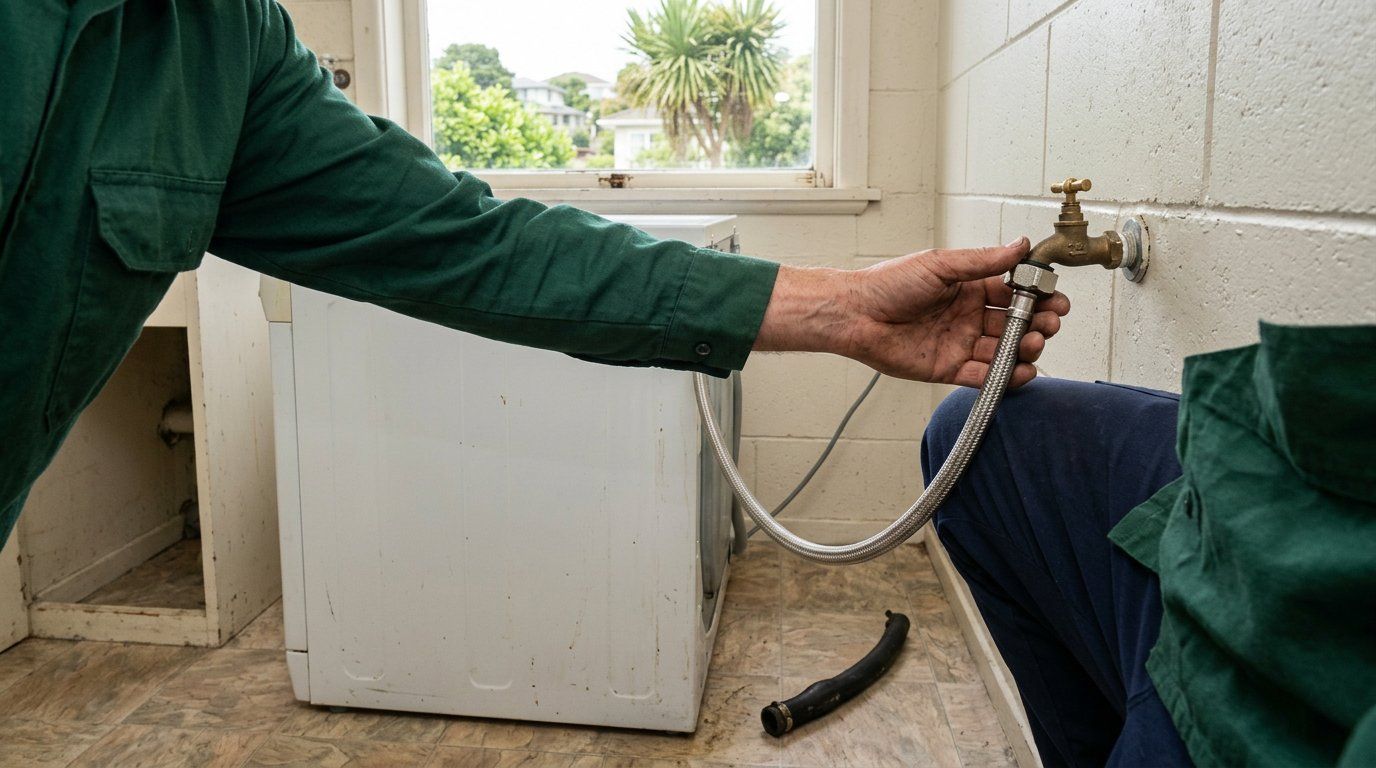
- Look for plumbing leaks, slow drainage and damp patches around pipes and fixtures.
- Check lifts for unusual sounds, door operation and visible faults; record issues for servicing.
For a valid Building Warrant of Fitness, specified systems must be inspected, maintained and signed off in Form 12A. Keep each system’s service record with the building’s compliance documents. This makes inspection history and outstanding work easier to track.
Include relevant building systems in the maintenance schedule:
- Fire alarms, emergency lighting, hose reels and extinguishers.
- Lifts, escalators and travelators.
- HVAC, automatic doors, access control and backflow prevention systems.
Emergency lighting and exit signs need a 90-minute battery load test. The checklist specifies a minimum 2-hour generator load test at 100% of rated capacity. Record test dates, results and follow-up tasks. Arrange specialist servicing where equipment faults need technical attention.
A consistent monthly round links equipment condition to planned work. For a building-wide maintenance schedule, commercial trade services can help address repair and servicing needs.
Quarterly seasonal maintenance and building preparation
Use each quarterly visit to prepare the property for changing weather and site conditions. Review exterior areas, drainage and access routes together. A clear record helps maintenance teams schedule repairs before small defects affect building use.
Include these checks in the quarterly site review:
- Clear gutters and downpipes, then look for blockages, overflow marks or water pooling near foundations.
- Inspect footpaths and parking areas for cracks, uneven surfaces and damage that could affect safe access.
- Look over exterior walls, cladding, seals and paint for gaps, peeling or visible deterioration.
- Check plumbing fixtures and drainage points for leaks, slow flow or moisture around connections.
- Test accessible electrical outlets and lighting, and record damaged fittings or areas with poor illumination.
- Review pest activity, rubbish areas and storage points, where waste or entry gaps can attract pests.
Match seasonal work to conditions observed on site. Before wetter weather, prioritise blocked drainage and damaged seals. Before colder periods, note draughts, exposed pipes and heating concerns. After strong winds, check the grounds for fallen branches and inspect exterior surfaces for loose materials.
Use the New Zealand Building Code as a compliance reference when reviewing building condition. Compare inspection findings with relevant building records and any existing compliance schedule. This can help identify work that may affect building performance or specified systems. Routine checks do not replace required inspections.
For each defect, record its location and condition, and add a photograph where useful. Assign someone to arrange the repair, set a target date and keep the completion note with the inspection record. For example, mark a cracked car park surface, isolate it if needed and schedule a repair. Review open tasks at the next seasonal visit so they are not overlooked.
Group related exterior repairs into one work plan. This can help coordinate site access, materials and follow-up inspections. For wider grounds upkeep, specialist turf resources such as Aerating Thatching Co. offer practical advice on seasonal lawn care and weed management to keep commercial premises presentable.
Landlord property maintenance responsibilities
New Zealand landlords must provide and maintain rental properties in reasonable repair so they remain safe and healthy to live in. These duties concern rental homes, not every commercial lease. For commercial premises, the lease sets out the parties’ responsibilities, so review its maintenance terms before assigning work.
For rental homes, include these checks in the property maintenance plan:
- Confirm the home is free from mould and dampness before it is rented out.
- Maintain the property in a reasonable state of repair throughout the tenancy.
- Ensure working smoke alarms or detectors are installed in rental homes.
- For new alarms, check they are photoelectric and have a long-life battery or are hard-wired.
- Record inspection findings, repair tasks and completion details in the property file.
Plan inspections in line with New Zealand’s rental property entry requirements. Landlords can enter only at certain times and for certain reasons, and must give the required notice or obtain the tenant’s permission. Explain the purpose of the visit and record the date and any agreed follow-up. A documented process helps keep maintenance communication clear.
Use each visit to record conditions that need action, such as a leaking tap, a damp patch or a smoke alarm that fails its check. Assign the repair, keep relevant correspondence and note when the work is complete. If mould or dampness appears during a tenancy, record its location and arrange appropriate maintenance. This creates a practical history of reported issues and responses.
Regular inspections support a healthy rental property and a good landlord-tenant relationship. Keep the schedule consistent, respect entry requirements and follow up reported faults. For commercial properties, use the same disciplined record-keeping, but refer to the lease to identify who handles each repair, inspection and maintenance task. Clear allocation helps prevent essential work from being missed or duplicated.
Service King Commercial
Service King Commercial helps property owners turn inspection findings into practical repairs and exterior maintenance. If a roof defect, damaged cladding or recurring building fault needs attention, its Building Repair and Maintenance and Exterior Building Maintenance services provide a direct next step.
For wider upkeep, scheduled maintenance can help organise planned property tasks around site needs. The work depends on the building’s condition and the maintenance responsibilities already identified. Service King Commercial provides practical building and trade solutions to help move logged issues into assigned work and completed repairs.
Contact Service King Commercial to discuss the building maintenance work you need.
Set the next maintenance cycle
Make your commercial property maintenance checklist NZ buildings need a working plan, not just a record of completed inspections. Use findings to set priorities, assign responsibility and carry unfinished work into the next maintenance cycle. A clear process helps property managers, owners and tenants stay aligned when a fault affects access or day-to-day use.
Make the next step practical: review the maintenance log, identify work that needs a decision, and note any access or scheduling requirements. Keep the plan easy to update as building conditions and tenant needs change. This gives your team a useful reference for future inspections and keeps maintenance tasks connected to the property’s needs.
For help with building maintenance and repair work, discuss your property’s maintenance needs with Service King Commercial. A clear starting point can make it easier to organise the work ahead.
Frequently Asked Questions
What should a commercial property maintenance checklist in New Zealand include?
A checklist should cover the building’s structure, grounds, safety features, equipment and maintenance records. Include shared areas such as entrances, corridors, loading zones and plant rooms, as well as occupied spaces. Add a clear way to record defects, assign follow-up and confirm completion. For example, link a recurring leak to its location, inspection date and repair status so property teams can see whether it returns.
How often should commercial buildings in NZ be inspected and maintained?
Set inspection frequency according to building systems, condition and site risks. Weekly walk-throughs can catch emerging defects, monthly rounds can cover routine equipment servicing, and quarterly reviews can address seasonal exterior work. These are useful planning intervals, not a replacement for a specified system’s inspection or maintenance schedule. A fault, tenant report or severe weather event may also call for an additional inspection.
What are the New Zealand legal maintenance obligations for commercial property owners and landlords?
For rental homes, New Zealand landlords must maintain the property in reasonable repair so it is safe and healthy to live in. Commercial property responsibilities depend on the lease, which allocates maintenance tasks between owner and tenant. Review the terms alongside maintenance records when a repair is reported. This helps clarify who arranges the work and who needs updates.
What are the NZ Building Code requirements for commercial building maintenance?
The New Zealand Building Code is a compliance reference for building inspections, but a checklist alone does not establish compliance. Use inspection findings to identify damage, deterioration or changes that may affect building performance. Keep relevant building records alongside repair details and required system documentation. Note whether work concerns an exterior element, an occupied area or equipment recorded in the building’s compliance documents.
What are the fire safety and evacuation scheme maintenance requirements for NZ commercial buildings?
Include fire alarms, emergency lighting, hose reels and extinguishers in the building’s specified-system records. Check for visible damage, obstruction or faults, and keep emergency procedures accessible to occupants. Record service findings and follow-up actions against the relevant system. Evacuation scheme arrangements depend on the building’s circumstances, so keep its procedures and supporting records current.
What are the commercial property maintenance requirements for lifts, HVAC, electrical systems and plumbing in NZ?
Include lifts, HVAC, electrical equipment and plumbing in a planned maintenance programme. For specified systems, inspection, maintenance and sign-off in Form 12A support a valid Building Warrant of Fitness. Record service dates, faults and completed work against each system. For example, a lift fault or plumbing leak should have a clear record linking the reported issue with its repair and close-out.
Recent Posts